
Heat-Stress Management Recovered Productivity
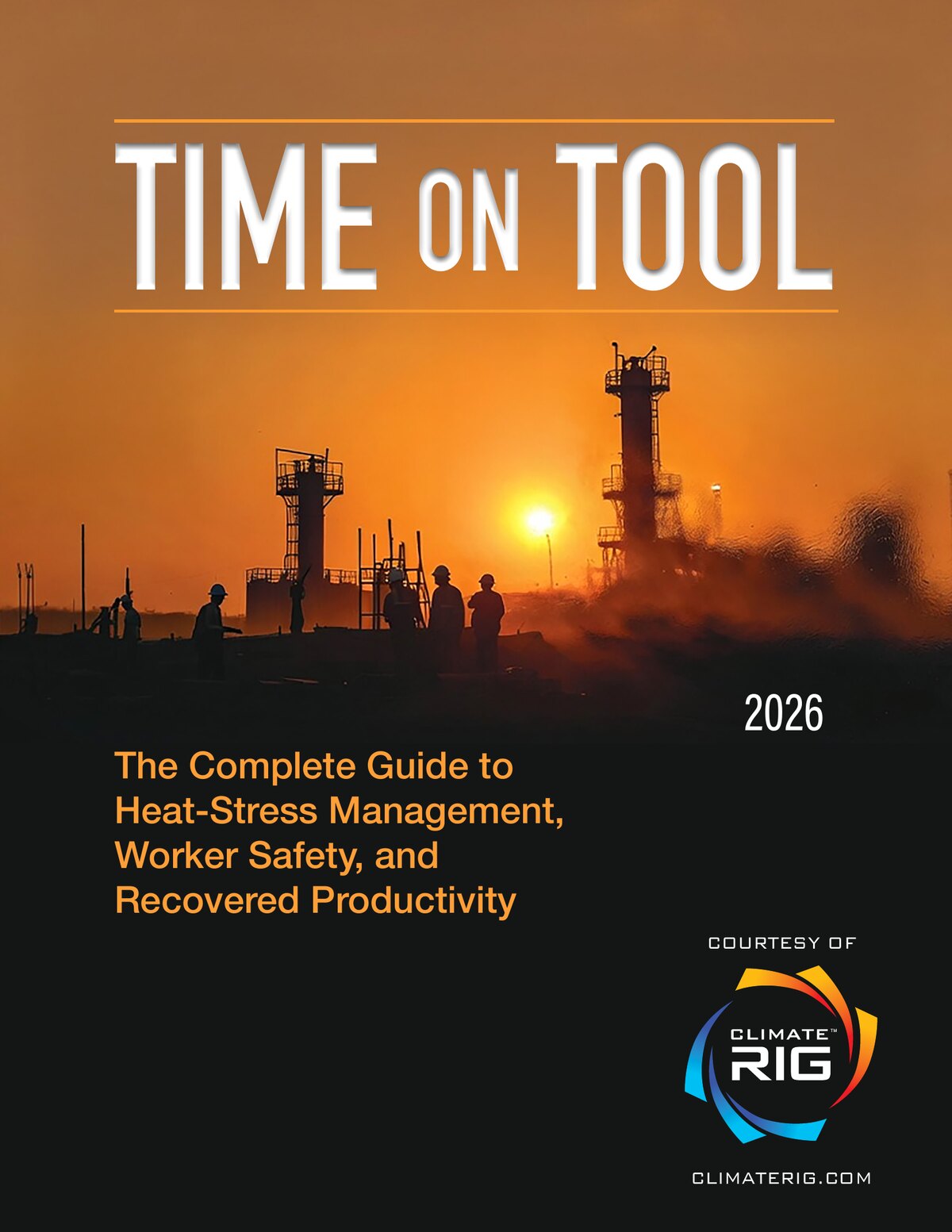
The complete playbook safety leaders, project managers, and operations executives use to prevent heat illness, comply with OSHA, and recover thousands of crew-hours every summer season — built on real WBGT science and field-tested ROI math.
Heat illness is preventable.
Productivity is recoverable.
Every summer, U.S. employers lose lives, hours, and dollars to a hazard that can be controlled with the right framework. The numbers are the wake-up call.
What is Time on Tool?
The total time a worker spends actively working during a shift — and the metric that proves safety and productivity are the same goal. The mitigation ladder turns mandatory rest breaks into a multiplier instead of a tax.
Without Mitigation
worker
climb.
With Full Mitigation Ladder
worker / day
$55/hr blended.
Five levels
of protection.
Every layer lowers heat stress. Skip a layer and you lose work hours. Only the ClimateRig™ at the top gives real A/C recovery — it drops core body temperature 1–3°F in a 10–15 minute break, and turns a 50/50 work-rest ratio into 75/25 or better.
The guide covers every layer — cost, setup, and how well each one works — plus work-rest tables for moderate, high, and extreme heat.
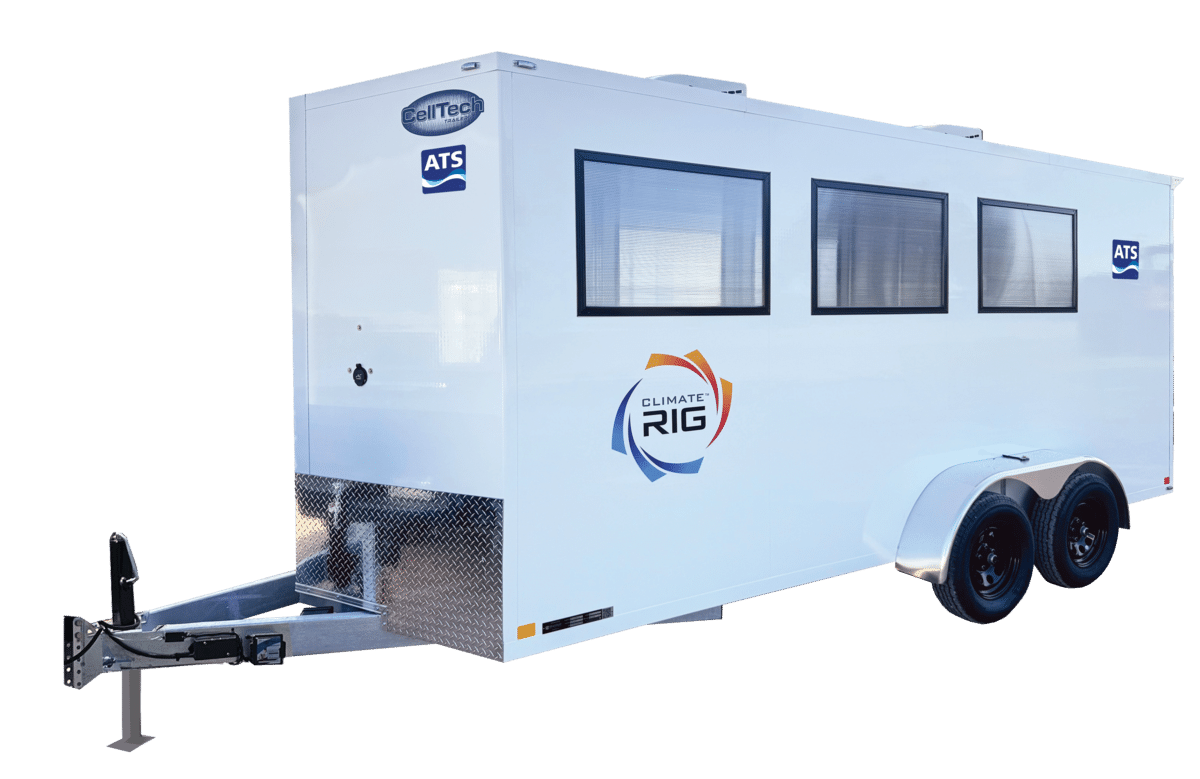
even when it’s 110°F+ outside. NFPA 1584-ready. C1D2 configuration available for
oil & gas hazardous areas.
It’s going to cost you
— one way or another.
Annual numbers for a 12-person crew working a 4-month season. Prevention pays for itself many times over before you factor in recovered productivity.
Prevention
- ClimateRig rental (per season)$10K–$20K
- Written plan development$500–$2,000
- WBGT monitoring equipment$300–$1,500
- Training program$1,000–$3,000
No Prevention
- Heat stroke (per incident)$500K–$2M
- OSHA serious violation$16,131
- OSHA willful violation$161,323
- Cal/OSHA willful citation (2024)$276,425
- Lost productivity (1 season, 12 crew)$107,250
Six industries.
One framework. Tailored to your hazards.
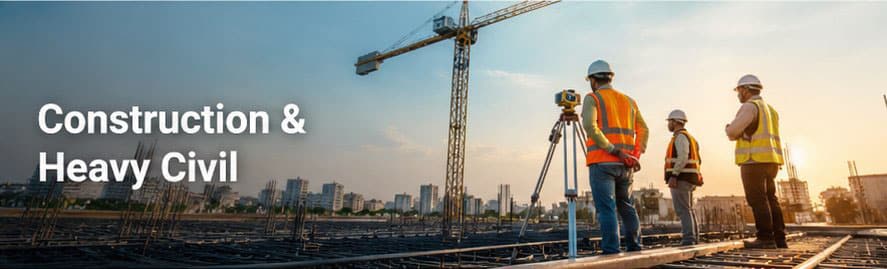
Construction & Heavy Civil
Solar radiation, hot asphalt, heavy PPE — plus the highest heat-fatality rate of any industry. Schedule heavy labor for cooler windows; rotate through ClimateRig at WBGT >87°F.
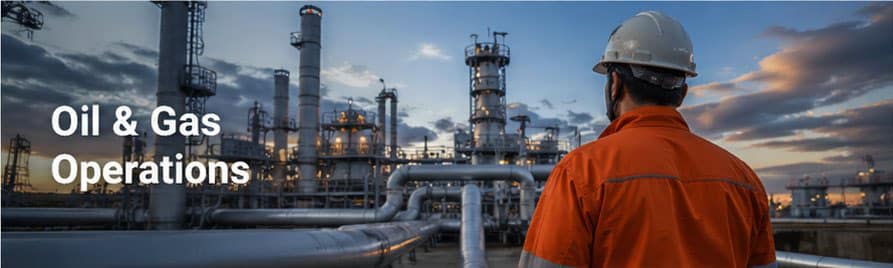
Oil & Gas Operations
FR clothing adds 10–15°F to perceived body temperature. Position cooling near wellheads; deploy C1D2 configuration in Class I Division 2 hazardous areas.
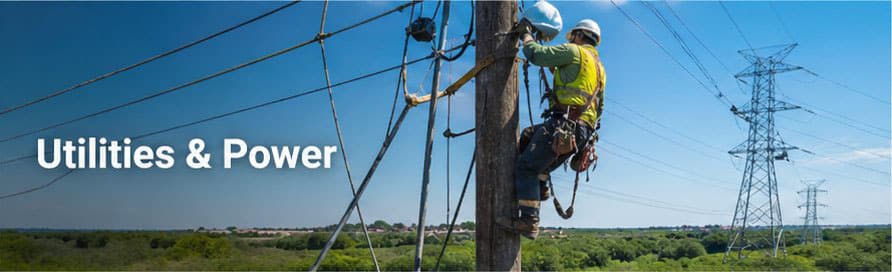
Utilities & Power
Pole-top work in full sun under insulating PPE. Pre- and post-shift thermal conditioning extends the safe work window for storm response and emergency repairs.

Emergency Services
NFPA 1584-compliant rehab stations with paramedic-managed exit criteria. Faster recovery means more personnel on line during multi-alarm incidents.
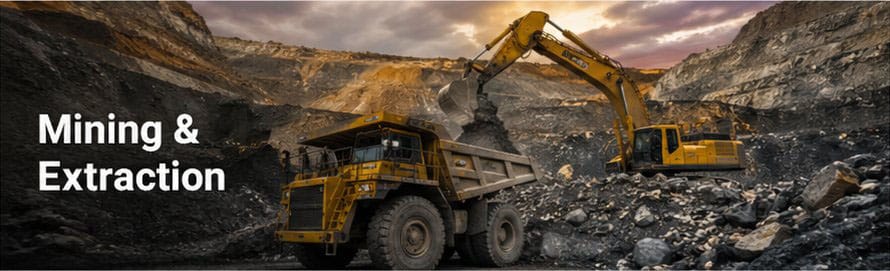
Mining & Extraction
Geothermal heat plus 24/7 operations and back-to-back shifts. Portal-positioned cooling enables shift-change recovery before crews go off-shift exhausted.

Manufacturing & Industrial
Process heat from furnaces, forges, and welding can push indoor WBGT above 95°F. Cal/OSHA §3395.1 (2021) makes indoor heat plans mandatory.
11 sections.
90 pages. Print-ready checklists.
populations
stroke
and field measurement
NFPA 1584
plan
improvement
leadership-ready math
sectors
Document
response
Get the Time on Tool Guide.
Instant PDF download. No fluff. Built by safety professionals for the people who manage crews in heat.
- OSHA-aligned work-rest tables you can post on the job site
- ROI worksheet to calculate recovered crew-hours for your project
- Pre-season, daily, weekly, and post-season checklists
- Quick-reference field card for every supervisor’s clipboard
Send me the guide
90 pages · PDF · Free