15 Questions About Workplace Heat Safety — Answered
Disclaimer: This article provides general informational guidance on workplace heat safety and should not be construed as legal or medical advice. Heat illness prevention requires individualized assessment of workplace conditions, employee health status, and local regulations. Consult with your occupational health professional, legal counsel, and regulatory experts to develop heat safety protocols tailored to your specific operations. OSHA standards and requirements vary by jurisdiction and may change; always verify current regulations applicable to your location.
Introduction: Your Workplace Heat Safety Questions, Answered
Safety managers and EHS professionals field the same heat safety questions constantly: When is it too hot to work? What are the signs of heat exhaustion? What does OSHA actually require? Workers searching for answers to these questions deserve authoritative, actionable guidance—not marketing hype.
This comprehensive workplace heat safety guide answers the 15 most-asked questions from construction sites, oil & gas operations, manufacturing facilities, and agricultural settings. Every answer is backed by OSHA standards, NIOSH research, CDC data, and real-world occupational health best practices. Whether you’re implementing heat safety protocols, monitoring worker conditions, or preparing for the new 2026 OSHA heat rule, this resource serves as your one-stop reference for workplace heat safety compliance and worker protection.
Ready to deepen your heat safety knowledge? Explore our comprehensive guide to monitoring and prevention strategies for a complete framework.
1. What Temperature Is Too Hot to Work Outside?
There is no single federally mandated “maximum temperature” for outdoor work under current OSHA standards. However, the proposed OSHA Heat Rule (expected to finalize in late 2025 or early 2026) would establish action thresholds at 80°F heat index with enhanced protections at 90°F heat index, depending on work intensity and acclimatization status.1
The critical insight: Workers can develop heat illness at temperatures far lower than many realize. OSHA documentation cites cases where outdoor workers died of heat stroke when the day’s maximum heat index was only 86°F—well within the National Weather Service’s “Caution” zone.2
Heat index, which combines air temperature and relative humidity, tells the real story. A seemingly moderate 95°F day with 60% humidity produces an apparent temperature of 115°F—dangerous territory for unacclimatized workers or those performing heavy labor.3 Heat stress compounds with physical exertion, hydration status, PPE requirements, and individual acclimatization level.
- Workers performing heavy outdoor labor should avoid prolonged exposure above 90°F heat index
- Unacclimatized workers are at elevated risk at temperatures as low as 80–86°F when humidity is high
- Monitor the National Weather Service Heat Index categories: Caution (80–90°F), Extreme Caution (91–103°F), Danger (103–124°F), and Extreme Danger (126°F+)4
- Remember: heat index, not air temperature alone, determines heat stress risk
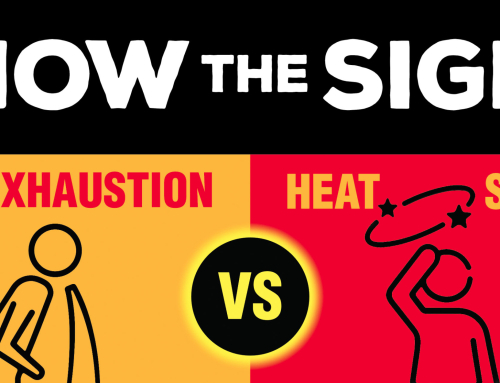
2. What’s the Difference: Heat Stress vs. Heat Exhaustion vs. Heat Stroke?
These three terms describe different stages of heat-related illness, from early physiological strain to life-threatening emergency. Understanding the distinctions is critical for employers, supervisors, and workers because intervention timing directly affects outcomes.
Heat Stress (The Precursor)
Heat stress is the physiological strain the body experiences when exposed to hot environments. It’s not an illness—it’s the body’s physical response. During heat stress, the cardiovascular system works harder to deliver blood to the skin for cooling, core body temperature rises, sweating increases, and mental focus may decline.5 Heat stress alone isn’t dangerous if workers are healthy and hydrated, but prolonged exposure can escalate to heat exhaustion or heat stroke.
Heat Exhaustion (Moderate Severity)
Heat exhaustion occurs when the body loses significant fluid and electrolytes through profuse sweating without adequate replacement. The body’s cooling mechanisms begin to fail. Symptoms include heavy sweating, weakness, dizziness, nausea, cool/clammy skin, and possibly fainting.6 Heat exhaustion is reversible with immediate cooling and hydration, but it’s a warning sign that heat stroke may follow if exposure continues.
Heat Stroke (Medical Emergency)
Heat stroke represents thermoregulatory failure—the body can no longer cool itself effectively. Core body temperature rises above 104°F, sweating may cease (paradoxically), and the central nervous system begins to malfunction. Symptoms include confusion, loss of consciousness, hot/dry skin, and potentially seizures or coma.7 Heat stroke is a medical emergency; without rapid cooling (cooling to 101–102°F within 30 minutes), heat stroke can cause permanent organ damage or death.
Learn more about the physiological pathways in our deep dive into heat stress deaths and injury prevention strategies.
3. What Are OSHA’s Heat Safety Requirements for Employers?
OSHA’s current heat safety framework relies primarily on the General Duty Clause (Section 5(a)(1) of the Occupational Safety and Health Act), which requires employers to provide a workplace free from “recognized hazards likely to cause death or serious physical harm.”8 Because heat-related illness is a recognized hazard, OSHA can cite employers for heat safety violations under the General Duty Clause even without a specific heat standard.
In practice, OSHA enforces heat safety through:
- General Duty Clause citations: For heat hazards causing illness or fatality
- National Emphasis Programs (NEPs): Targeted enforcement sweeps in high-risk industries (construction, agriculture, landscaping)
- State-specific heat standards: California, Oregon, Washington, Maryland, and Minnesota have enacted their own enforceable heat standards9
The Proposed 2026 Heat Rule (What’s Changing)
OSHA published its proposed Heat Illness Prevention Standard on August 30, 2024, with finalization expected in late 2025 or early 2026.10 If finalized, this will be the first comprehensive federal heat standard and will require employers to:
- Establish heat illness prevention plans
- Provide shade and water at 80°F heat index (and enhanced protections at 90°F)
- Monitor employee conditions and implement work-rest cycles
- Train supervisors and workers on heat illness recognition and response
- Report and investigate heat-related illnesses11
For detailed regulatory guidance, consult our complete OSHA heat regulations guide.
4. How Often Should Workers Take Breaks in the Heat?
Work-rest cycles are fundamental to heat safety. The frequency and duration of breaks depend on heat index, work intensity, acclimatization, and PPE burden. NIOSH recommends work-rest schedules based on Wet Bulb Globe Temperature (WBGT), a more accurate heat stress measurement than heat index alone.
Work/Rest Cycle Guidelines
NIOSH’s Recommended Exposure Limits (REL) for acclimatized workers performing moderate work:
- 77–82°F WBGT: 75 minutes work / 15 minutes rest per hour
- 82–86°F WBGT: 50 minutes work / 10 minutes rest per hour
- 86–90°F WBGT: 30 minutes work / 30 minutes rest per hour
- Above 90°F WBGT: Not recommended for unacclimatized workers; acclimatized workers should work 15 minutes / rest 45 minutes12
Factors That Affect Break Frequency
Break requirements increase when:
- Workers are not yet acclimatized (first 1–2 weeks in hot conditions)
- Workers are wearing heavy PPE (chemical suits, respirators, insulated gear)
- Work is physically demanding (digging, hauling, sustained exertion)
- Workers have pre-existing health conditions (cardiovascular disease, obesity, diabetes)
5. What Is WBGT and Why Should We Care?
WBGT stands for Wet Bulb Globe Temperature—a specialized measurement that captures the true heat stress experienced by workers in occupational settings. Unlike simple heat index (which only combines air temperature and humidity), WBGT accounts for three environmental factors:
- Natural wet-bulb temperature: Humidity’s cooling effect on the human body
- Dry-bulb temperature: Ambient air temperature
- Globe temperature: Radiant heat from the sun and surrounding surfaces13
In occupational settings—especially outdoors under direct sun—WBGT is far superior to heat index because it accounts for solar radiation, which significantly increases worker heat stress. A construction site at 92°F air temperature with 50% humidity and full sun exposure may have a WBGT of 86°F, while the heat index is only 98°F. The WBGT measurement captures the true risk.
How WBGT Is Measured
WBGT is measured using a specialized instrument: a globe thermometer (6-inch black sphere), a natural wet-bulb thermometer, and a dry-bulb thermometer. Many employers now use portable WBGT monitors or smartphone applications that approximate WBGT using ambient air temperature and humidity data.14
WBGT Thresholds for Action
NIOSH and ACGIH provide work-rest recommendations by WBGT, which is why monitoring WBGT is standard practice for occupational heat safety. Explore our detailed WBGT monitoring guide for practical measurement and implementation guidance.
6. What Are the Signs of Heat Exhaustion?
Heat exhaustion develops gradually as workers lose fluid and electrolytes. Recognizing early warning signs allows supervisors to intervene before the condition escalates to heat stroke. Heat exhaustion is reversible with prompt cooling and hydration.
Physical Signs & Symptoms
- Heavy, profuse sweating
- Weakness or exhaustion (inability to maintain work pace)
- Dizziness or lightheadedness
- Nausea or vomiting
- Muscle cramps (particularly in legs and abdomen)
- Cool, pale, clammy skin
- Rapid or weak pulse
- Headache15
Behavioral Warning Signs
Supervisors should watch for:
- Unusual fatigue or inability to keep pace with coworkers
- Irritability or personality changes
- Confusion or difficulty concentrating
- Reluctance to take breaks (workers often underestimate their condition)
- Stumbling, loss of coordination16
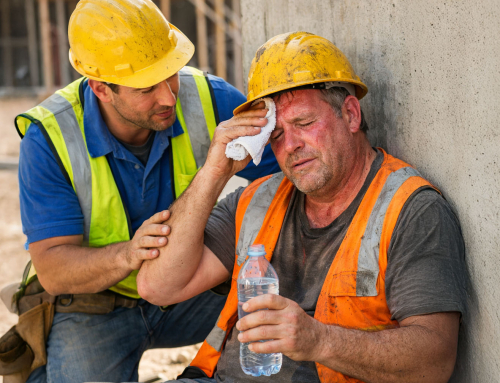
Action: If heat exhaustion is suspected, move the worker to a cool, shaded area immediately. Have them drink cool water, apply cool water to the skin, and rest until symptoms resolve. If symptoms don’t improve within 30 minutes, seek medical attention.
7. When Should You Call 911 for Heat Illness?
Heat stroke is a medical emergency requiring immediate 911 activation. The difference between heat exhaustion and heat stroke can be subtle but life-or-death critical.
Signs of Heat Stroke (Call 911 Immediately)
- High body temperature: Core body temperature above 104°F (measured rectally; skin temperature does not reliably indicate core temperature)
- Hot, dry skin: Sweating has ceased despite high heat exposure (paradoxical sign indicating thermoregulatory failure)
- Confusion or altered mental status: Disorientation, slurred speech, inability to follow simple commands
- Loss of consciousness or unresponsiveness
- Seizures or muscle tremors
- Rapid, strong pulse
- Red, hot skin (in some cases)17
First Aid While Awaiting Emergency Response
Do NOT wait for hospital arrival to begin cooling. Rapid cooling dramatically improves outcomes:
- Move the worker to shade or air conditioning immediately
- Apply ice packs to the neck, armpits, and groin (major blood vessels are near the surface here) or immerse in ice water if available18
- Remove unnecessary clothing
- Do NOT give the worker fluids by mouth if unconscious (risk of aspiration)
- Monitor body temperature if possible; stop cooling when temperature reaches 101–102°F (to avoid overcooling)
- Keep the worker lying down with legs elevated
Time is critical. Each minute delay in cooling increases the risk of permanent organ damage or death. Rapid cooling to 101–102°F within 30 minutes of heat stroke onset is associated with complete recovery.19
8. How Much Water Should Workers Drink in Hot Conditions?
Proper hydration is essential to heat illness prevention, but “drink when thirsty” is inadequate guidance—thirst doesn’t kick in until workers are already dehydrated.
Daily Hydration Guidelines
Workers performing outdoor or hot-environment work should consume:
- Baseline: 8–10 cups (64–80 ounces) of water daily under normal conditions
- In hot conditions: Up to 1 liter (34 ounces) per hour for moderate to heavy work20
- Maximum safe intake: 48 ounces per hour (to avoid hyponatremia, or dangerously low sodium levels, which can occur with excessive water consumption)
- Electrolyte replacement: After 2+ hours of continuous work in heat, workers should consume beverages containing sodium and potassium to replace electrolytes lost through sweating21
Real-Time Hydration During Shifts
Employers should establish hydration protocols that:
- Provide readily accessible water at all times (workers should not have to walk more than a few minutes to reach water)
- Encourage workers to drink small, frequent amounts rather than large amounts at once (5–7 ounces every 15–20 minutes)
- Offer cool water (41–50°F); workers drink more cool water than warm water
- Implement mandatory rest breaks where workers can drink water and cool down
- Monitor urine color as a proxy for hydration status (pale yellow = adequate hydration; dark yellow = dehydration)22
Note: Sports drinks and electrolyte beverages are beneficial for workers engaged in extended hot-environment work (2+ hours), but plain water is sufficient for most workers in most situations.
9. What Is Heat Acclimatization and How Long Does It Take?
Heat acclimatization is the physiological adaptation process that allows the body to tolerate heat exposure more effectively. Acclimatized workers have greater heat tolerance, sweat earlier and more profusely (improving cooling), and maintain cardiovascular stability better than unacclimatized workers.23 This is critical: a worker’s first few days or weeks in a hot environment are the highest-risk period.
The Acclimatization Process
During heat acclimatization, physiological changes occur:
- Increased blood plasma volume: More blood circulates to the skin for cooling
- Earlier sweating onset: Sweating begins at lower core temperatures, improving evaporative cooling
- Cardiovascular stability: Heart rate remains more stable despite heat exposure; less strain on the cardiovascular system
- Electrolyte conservation: Sweat sodium concentration decreases, preserving electrolytes
- Improved thermal comfort: Workers report feeling less fatigued and thermal distress24
Timeline & Best Practices for New Workers
The “Rule of 20 Percent” is the industry standard for safe heat acclimatization. New workers should:
- Day 1: Work 20% of expected shift duration in the heat (e.g., 1.6 hours if full shift is 8 hours)
- Days 2–3: 40% of expected shift duration
- Days 4–5: 60% of expected shift duration
- Days 6–7: 80% of expected shift duration
- Days 8–14: Full shift duration, with increased work intensity as tolerated25
Complete acclimatization typically requires 10–14 days of continuous heat exposure. If a worker is absent from hot-environment work for 3+ weeks, partial reacclimatization is needed.
Detailed guidance available in our comprehensive monitoring and prevention guide.
10. Do Employers Have to Provide Shade and Water?
Shade and water are fundamental to heat safety. Current OSHA guidance under the General Duty Clause and most state heat standards require employers to provide both. The proposed 2026 federal heat standard will make this a mandatory requirement.
OSHA Requirements (Current & Proposed)
Current OSHA guidance: OSHA’s Heat Illness Prevention guidance (which does not carry the force of law but reflects OSHA’s interpretation of the General Duty Clause) recommends that employers provide:
- Shade or air-conditioned rest areas accessible to workers
- Potable water available at work sites
- Access to shade during all meal and rest breaks26
Proposed 2026 heat rule: The proposed standard will require employers to provide:
- Shade that reduces ambient temperature by at least 5°F (fans, misters, tents, or buildings)
- Access to shade during all breaks and meal periods
- Potable water available without delay or cost to workers27
State-Specific Mandates (CA, OR, WA, MD, MN)
Five states have implemented their own enforceable heat standards that often exceed federal requirements:
- California: Heat illness prevention plan required; shade required when temperature exceeds 80°F28
- Oregon: Similar shade and water requirements; mandatory rest periods29
- Washington: Comprehensive heat illness prevention standard; engineering controls required
- Maryland: Shade, water, and rest break requirements in outdoor work
- Minnesota: Heat-related illness prevention standard for outdoor workers30
Employers operating in these states must comply with state standards, which often are more stringent than federal guidance. For a comprehensive framework on shade, water, and overall prevention, explore our monitoring and prevention guide.
11. Which PPE Actually Makes Heat Stress Worse?
Personal protective equipment is essential for worker safety, but certain PPE combinations create a “thermal burden”—additional metabolic heat load that makes heat stress more severe. Understanding which PPE combinations are high-risk allows employers to implement controls to mitigate heat stress while maintaining necessary protection.
High-Risk PPE Combinations
- Impermeable chemical suits (Level A or B hazmat suits): These completely block evaporative cooling (the body’s primary cooling mechanism); workers wearing these can experience core temperature rise of 2–3°F per hour31
- Respirators + heavy protective clothing: Respirators increase breathing resistance and warm inspired air; combined with full-body coverage, this dramatically increases thermal burden
- Multiple layers of protective gear: Construction, fire/rescue, and military workers often wear multiple overlapping layers (base layer, protective suit, outer shell); thermal insulation accumulates
- Hard helmets + face protection: Heavy helmets and full-face shields trap heat and moisture; forehead and face account for significant heat dissipation, so blocking this area increases core temperature
Thermal Burden & Solutions
To mitigate PPE-related heat stress:
- Reduce work intensity and duration: Increase work-rest cycles for workers wearing heavy/impermeable PPE (consider 1:1 or 2:1 work-rest ratios instead of standard cycles)
- Provide passive or active cooling: Phase-change cooling vests, evaporative cooling garments, or circulating water-cooled suits can offset thermal burden32
- Implement shade and hydration aggressively: More frequent breaks, higher hydration targets
- Schedule heavy PPE work for cooler times of day: Early morning or evening shifts when ambient temperature is lower
12. Can Indoor Workers Get Heat Illness Too?
Yes—heat illness is not exclusive to outdoor workers. Indoor environments with high ambient temperatures, radiant heat, or poor ventilation can create severe heat stress. Data center construction, foundries, kitchens, laundries, and manufacturing facilities are high-risk indoor heat environments.
Indoor Heat Sources & Risk Scenarios
- Industrial heat sources: Furnaces, ovens, steam pipes, and hot manufacturing processes radiate intense heat
- Data center construction: Indoor construction in data centers and server facilities operates without adequate ventilation or cooling during active construction; WBGT can exceed 90°F despite outdoor temperatures of 70–75°F33
- Poor ventilation: Warehouses, greenhouses, and agricultural storage facilities without air conditioning can reach dangerous heat levels
- Equipment-generated heat: Workers operating machinery that generates significant waste heat (welding, metal processing, automotive repair) face elevated thermal stress
Data Center & Manufacturing Heat Stress
Indoor heat stress is particularly dangerous because:
- Workers often don’t perceive risk (outdoor sun exposure is not present, so heat feels less “real”)
- Management may not implement heat controls because “it’s indoors”
- Air movement (wind, air circulation) is restricted, reducing evaporative cooling
- Workers may wear heavy PPE designed for chemical/electrical hazards, compounding thermal burden
Indoor workers require the same heat safety protocols as outdoor workers: hydration, rest breaks, heat illness recognition training, and access to cool areas. Learn more about our specialized guide to heat safety in data center construction.
13. What’s OSHA’s New Heat Rule in 2026?
OSHA published its proposed Heat Illness Prevention Standard on August 30, 2024, marking the first comprehensive federal occupational heat safety standard in U.S. history. If finalized (expected late 2025 or early 2026), this rule will fundamentally change heat safety compliance requirements for employers.
Proposed Rule Timeline & Status
- August 30, 2024: OSHA published the proposed rule in the Federal Register34
- Public comment period: Extended through late 2024 / early 2025
- Expected finalization: Late 2025 or early 2026
- Effective date (if finalized): Typically 60–120 days after publication of final rule
Key Requirements (If Finalized)
The proposed standard would require employers to:
- Develop heat illness prevention plans: Written protocols for heat recognition, prevention, and emergency response35
- Provide shade and water: At 80°F heat index (and enhanced protections at 90°F)
- Implement work-rest cycles: Based on heat index or WBGT, work intensity, and acclimatization status
- Monitor employee conditions: Supervisors must observe workers for heat illness signs
- Establish acclimatization protocols: Especially for new workers
- Train employees and supervisors: Recognition, prevention, and emergency response
- Report and investigate heat-related illnesses: Documentation and corrective action
For comprehensive guidance on preparing for the 2026 rule, see our complete 2026 employer guide and OSHA regulations guide.
14. How Do You Create a Heat Illness Prevention Plan?
A heat illness prevention plan (HIIP) is the foundation of a comprehensive workplace heat safety program. While not yet federally required (though the 2026 OSHA rule will mandate them), organizations in states with heat standards or those operating in high-risk industries should develop one now.
Core Plan Components
A comprehensive HIIP should include:
- Hazard identification: Identify which work areas, job roles, and seasonal periods are high-risk for heat illness
- Work-rest schedules: Define mandatory break frequency based on heat index or WBGT thresholds
- Shade and cooling provisions: Identify locations where workers can access shade, water, and cooling
- Hydration protocol: Guidelines for water availability, types of beverages, and consumption rates
- Acclimatization procedures: Protocols for new workers and workers returning after 3+ weeks absence
- Heat illness recognition training: How supervisors identify early warning signs of heat exhaustion and heat stroke
- Emergency response procedures: First aid for heat exhaustion, 911 activation criteria, rapid cooling procedures
- Communication & monitoring: How supervisors will monitor workers, communicate heat alerts, and track employee conditions
- Responsibility matrix: Clear designation of roles (who maintains water, who monitors WBGT, who authorizes rest breaks, etc.)36
Implementation Checklist
- Assign a heat safety coordinator (single point of accountability)
- Conduct heat hazard assessment: Which work areas are high-risk? Which times of year?
- Establish WBGT or heat index monitoring (equipment, frequency, responsible parties)
- Define work-rest schedules for each risk category
- Procure shade structures, cooling equipment, or cooled rest areas
- Establish water supply (sufficient volume, accessible locations, cold temperature)
- Train supervisors and workers on heat illness recognition (video, hands-on, annual refresher)
- Establish 911 call protocol and emergency first aid procedures
- Document all heat-related illnesses (regardless of severity) for trend analysis
- Review and update the plan annually or when work conditions change
For a detailed implementation framework, explore our monitoring and prevention guide.
15. What Are Cool-Down Trailers and How Do They Help?
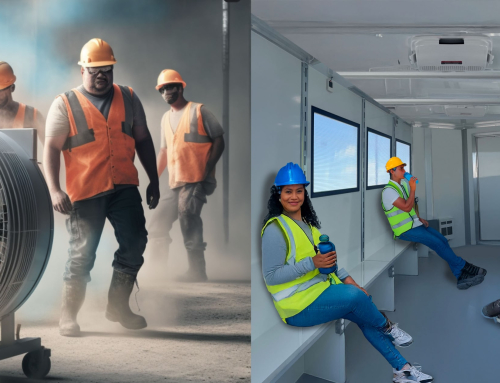
Cool-down trailers (also called mobile cooling stations or engineered cool-down units) are portable, climate-controlled enclosures designed to provide rapid worker cooling during hot-environment work. They’re mobile HVAC systems that allow employers to provide rapid heat recovery without requiring workers to travel far from the job site.
Definition & Cooling Technology
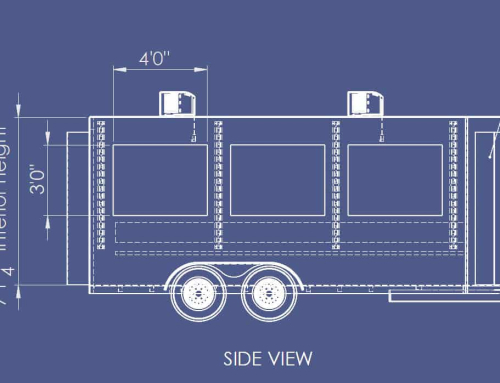
A modern cool-down trailer like the ClimateRig is a purpose-built mobile unit with:
- Powerful HVAC system: Dual 16,000 BTU AC units (32,000 BTU total) rapidly cool large volumes of air37
- Portable design: Trailer-mounted (no permanent installation) and can be moved between job sites or locations within a site
- Capacity: Designed to accommodate groups of workers simultaneously (up to 18 workers in a typical unit)38
- Interior comfort: Bench seating, drinking water access, and drainage systems for wet cooling methods
- Durability: Construction-grade materials rated for outdoor, industrial environments with extreme temperature swings39
Benefits for Compliance & Worker Protection
Cool-down trailers address a critical gap in heat safety infrastructure:
- Rapid core temperature reduction: Workers can cool from high core temperatures to safe levels (101–102°F) in 15–20 minutes, preventing heat stroke escalation
- Immediate accessibility: Cooling is available on-site; workers don’t need to travel offsite or to distant cool areas
- Group cooling efficiency: Multiple workers cool simultaneously, reducing break time and maintaining productivity
- OSHA compliance: Demonstrates proactive approach to heat safety and satisfies “shade/cooling” requirements under General Duty Clause and proposed 2026 standard40
- Worker morale & retention: Visible investment in worker comfort and safety improves morale and reduces turnover in hot-environment work
- Reduced heat illness incidents: Organizations using mobile cooling consistently report fewer heat-related illnesses and emergency room visits
Learn more about how mobile cooling solutions fit into comprehensive heat safety strategies in our detailed cool-down trailers guide and discover how the ClimateRig helps organizations meet OSHA standards.
Taking Action: Build Your Heat Safety Strategy Today
Answering these 15 questions is the foundation of workplace heat safety. Whether you’re a safety manager at a construction company, an EHS director at an oil & gas operation, or an HR leader at an agricultural business, heat illness prevention requires systemic action:
- Develop a heat illness prevention plan that addresses acclimatization, hydration, work-rest cycles, and emergency response
- Monitor environmental heat stress (WBGT or heat index) continuously during hot months
- Train supervisors and workers on heat illness recognition—they’re your early warning system
- Implement administrative controls (work scheduling, hydration) and engineering controls (shade, cooling) to reduce heat exposure
- Investigate and document every heat-related illness to identify trends and refine your approach
As the 2026 OSHA Heat Rule finalizes, early action positions your organization as a leader in worker protection. Beyond regulatory compliance, comprehensive heat safety improves worker health, reduces workers’ compensation claims, minimizes productivity loss from heat-related absences, and strengthens your organization’s culture of safety.
Creating a comprehensive heat safety strategy means addressing all 15 questions your team faces. Whether you’re implementing acclimatization protocols, monitoring WBGT levels, or evaluating engineered cooling solutions, the ClimateRig Cool-Down Trailer is trusted by construction, oil & gas, and agricultural companies to meet OSHA compliance while protecting worker productivity and health. Ready to protect your crew from heat illness? Request a quote or schedule a consultation with our heat safety experts today.
References
- OSHA. (2024). Occupational Heat Exposure: Proposed Heat Illness Prevention Standard. Federal Register, Vol. 89, No. 169.
- OSHA. (2023). Heat Illness Prevention. U.S. Department of Labor.
- National Weather Service. (2024). Heat Index Calculation. NOAA.
- National Weather Service. (2024). Heat Index Categories and Health Effects. NOAA.
- CDC/NIOSH. (2023). Heat Stress and Heat Strain. Centers for Disease Control and Prevention.
- CDC. (2023). Heat Exhaustion Symptoms and First Aid. Centers for Disease Control and Prevention.
- CDC. (2023). Heat Stroke: Medical Emergency Response. Centers for Disease Control and Prevention.
- OSHA. (2024). OSH Act Section 5(a)(1): General Duty Clause. U.S. Department of Labor.
- California DOSH. (2023). Heat Illness Prevention in California. State of California.
- OSHA. (2024). Proposed Heat Illness Prevention Standard: Summary and Timeline. Federal Register.
- OSHA. (2024). Key Requirements of Proposed Heat Illness Prevention Standard. Federal Register, Regulatory Impact Analysis.
- NIOSH. (2023). Recommended Exposure Limits (REL) for Occupational Heat Exposure. CDC.
- NIOSH. (2023). Wet Bulb Globe Temperature (WBGT) in Occupational Settings. CDC.
- OSHA. (2023). WBGT Monitoring and Measurement. U.S. Department of Labor.
- CDC. (2023). Heat Exhaustion Signs and Symptoms. Centers for Disease Control and Prevention.
- CDC. (2023). Behavioral Warning Signs of Heat Stress. Centers for Disease Control and Prevention.
- CDC. (2023). Heat Stroke: Clinical Presentation and Emergency Response. Centers for Disease Control and Prevention.
- CDC. (2023). First Aid for Heat Stroke: Rapid Cooling Procedures. Centers for Disease Control and Prevention.
- Pryor, R. R., et al. (2015). Exertional Heat Stroke: Management and Prevention. Sports Health, 7(6), 496–502.
- CDC/NIOSH. (2023). Hydration Guidelines for Hot Environment Work. Centers for Disease Control and Prevention.
- OSHA. (2023). Hydration and Electrolyte Replacement in Heat Illness Prevention. U.S. Department of Labor.
- CDC. (2023). Monitoring Hydration Status: Urine Color as a Proxy. Centers for Disease Control and Prevention.
- Armstrong, L. E., & Maresh, C. M. (2007). The Exertional Heat Illnesses: A Risk Assessment and Case for Individual Susceptibility. International Journal of Sport Nutrition and Exercise Metabolism, 17(4S), S52–S65.
- CDC. (2023). Heat Acclimatization Physiology and Timeline. Centers for Disease Control and Prevention.
- OSHA. (2023). Heat Acclimatization: Best Practices for New and Returning Workers. U.S. Department of Labor.
- OSHA. (2023). Shade and Water Requirements: General Duty Clause Guidance. U.S. Department of Labor.
- OSHA. (2024). Proposed Heat Illness Prevention Standard: Shade and Water Requirements. Federal Register.
- California DOSH. (2023). California Heat Illness Prevention Standard. State of California Department of Industrial Relations.
- Oregon OSHA. (2023). Oregon Heat Illness Prevention Standard. State of Oregon.
- Washington DOSH. (2023). Washington Heat Illness Prevention Rule. State of Washington.
- Montain, S. J., Latzka, W. A., & Sawka, M. N. (1998). Control of Thermoregulatory Sweating Is Altered by Hydration Level and Exercise Intensity. Journal of Applied Physiology, 84(6), 1585–1589.
- CDC. (2023). Cooling Vests and Protective Cooling Garments. Centers for Disease Control and Prevention.
- ClimateRig. (2024). Data Center Construction Heat Safety Case Study. ATS ShieldSafe.
- OSHA. (2024). Proposed Heat Illness Prevention Standard: Final Rule Timeline. Federal Register, Vol. 89, No. 169.
- OSHA. (2024). Proposed Heat Rule: Key Employer Obligations. Federal Register.
- OSHA. (2023). Developing a Heat Illness Prevention Plan. U.S. Department of Labor.
- ClimateRig. (2024). Cool-Down Trailer Specifications and Features. ATS ShieldSafe.
- ClimateRig. (2024). Cool-Down Trailer Capacity and Design. ATS ShieldSafe.
- ClimateRig. (2024). How the ClimateRig Supports OSHA Compliance. ATS ShieldSafe.
- ClimateRig. (2024). Mobile Cooling Solutions for Heat Illness Prevention. ATS ShieldSafe.
About the author : Stephen

Stephen Allred is a dynamic and accomplished executive with over 20 years of experience in sales and marketing, currently serving as the CMO and CTO of ATS. Renowned for his ability to craft highly effective marketing campaigns, he drives business growth through cutting-edge technology and a results-oriented approach, focusing on high-impact strategies that align with corporate goals while steering clear of ego-driven pursuits. With a deep understanding of customer behavior, Stephen creates compelling campaigns that resonate with consumers, underpinned by the discipline to prioritize the most critical tasks. Boasting over 25 years of management experience, he is a committed leader dedicated to assembling talented teams and unlocking their potential to achieve ambitious objectives. As an adept strategist, he draws on an extensive study of both modern thought leaders and historical figures like Clausewitz and Sun Tzu to devise plans that propel corporate success. A champion of continual learning, Stephen stays ahead of industry trends and fosters a culture of innovation, encouraging his team to think creatively and embrace calculated risks. He graduated Magna Cum Laude from Utah Valley University with a Bachelor’s degree in Finance, where his exceptional performance earned him the prestigious “Outstanding Student Award.”