Skip to content
ClimateRig.com Logo
  • HOME
  • WHY CLIMATERIG™
  • FEATURES
  • TECHNOLOGY
  • NEWS
  • CONTACT

Heat Stress

Home » Heat Stress
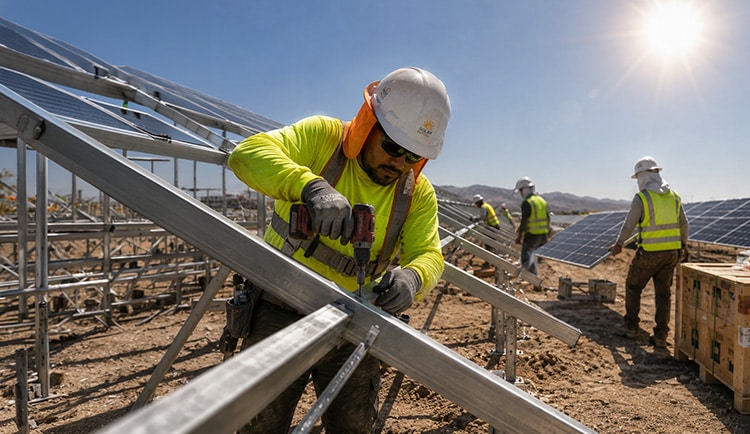
  • A metal-roofed warehouse interior with a worker at upper rack level on a hot afternoon — illustrating the indoor heat exposure that triggers Cal/OSHA §3396 at the 82°F and 87°F thresholds.
    Warehouse and Distribution Center Heat: When Cal/OSHA §3396 (Indoor) Applies and the Real Cost of Compliance

    Warehouse and Distribution Center Heat: When Cal/OSHA §3396 (Indoor) Applies and the Real Cost of Compliance

    June 4th, 2026-Featured, Heat Stress, New OSHA Regulations-

    Cal/OSHA §3396 (Indoor Heat) took effect July 23, 2024 and applies to far more warehouse, fulfillment, 3PL, cold-chain, and process-heat operations than most operators measured for. The 82°F vs. 87°F threshold pivot, the engineering-controls requirement at the upper threshold, and the real cost of compliance across three real-world scenarios.

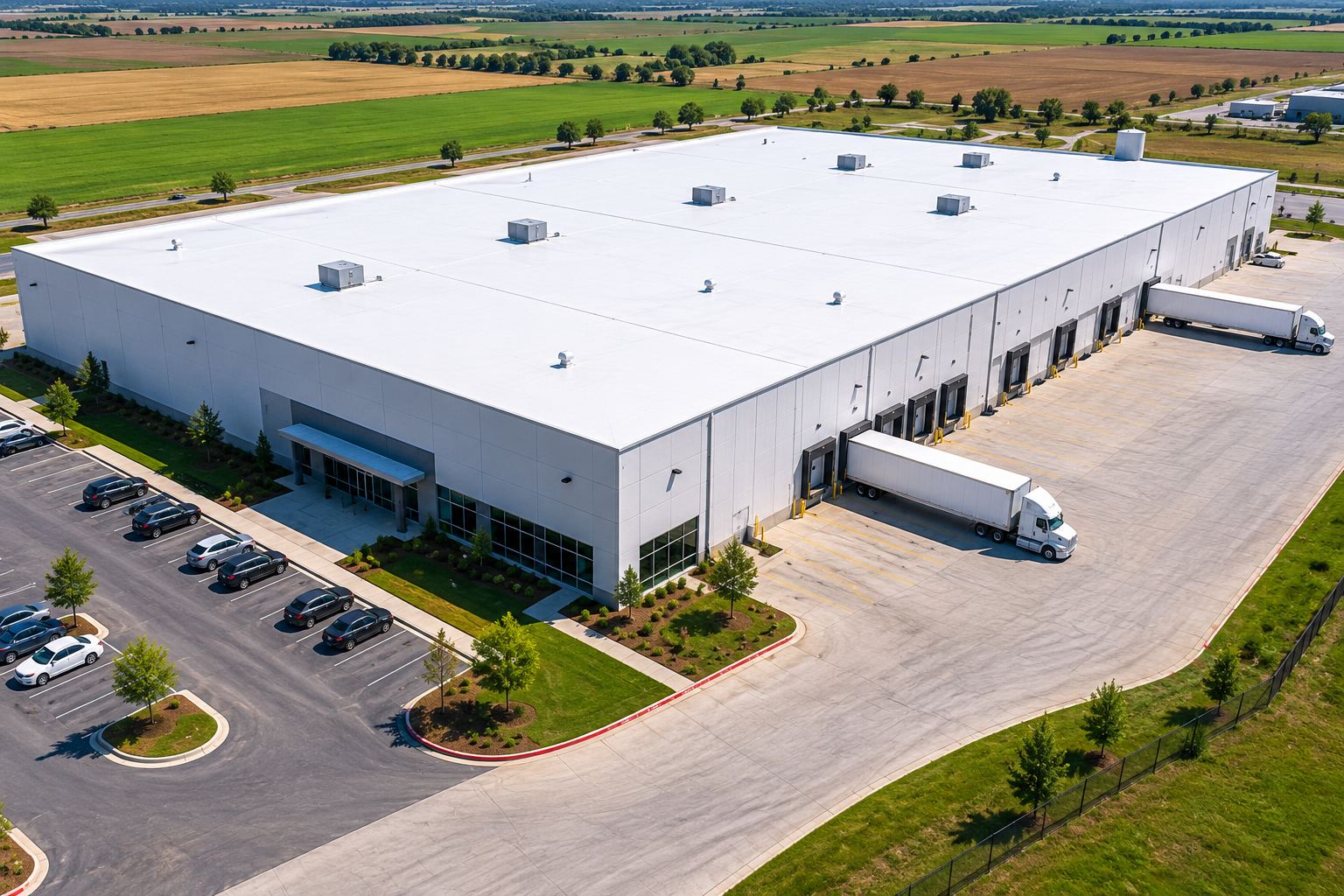
  • An asphalt paving crew working next to a freshly laid mat at 300°F+ — illustrating the radiant-heat exposure category that WBGT measurement alone does not capture.
    Asphalt Paving and DOT Road Crews: Why Air Temperature Underestimates the Danger

    Asphalt Paving and DOT Road Crews: Why Air Temperature Underestimates the Danger

    June 4th, 2026-Featured, Heat Stress-

    The thermometer on the truck says 92°F. The mat your paving crew is walking next to says 305°F. This is the category of heat exposure WBGT systematically underestimates — and the position-calibrated program that actually protects asphalt paving and DOT road crews.

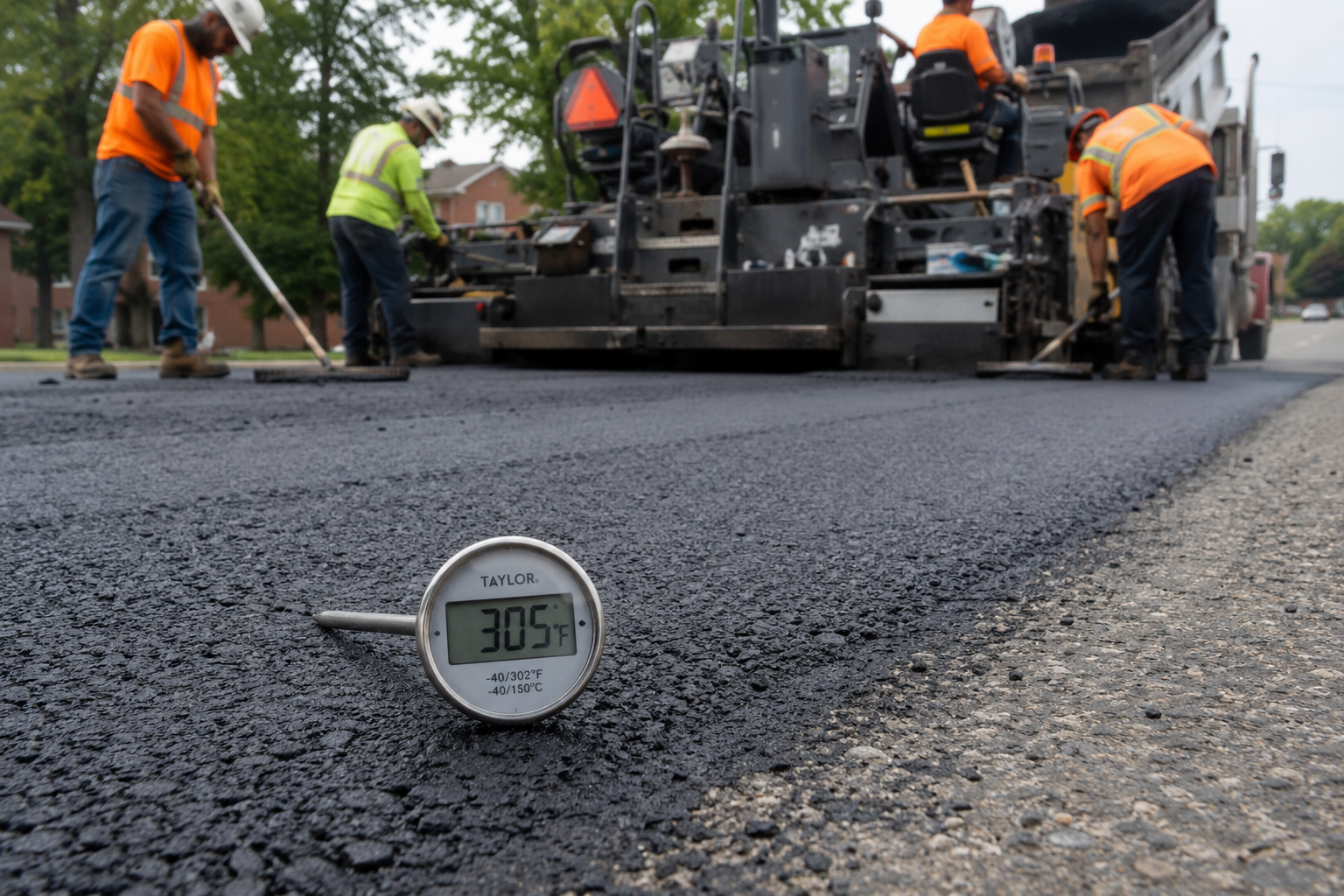
  • A worker recovering in a cool-down trailer with a supervisor checking on them — illustrating the 72-hour post-incident protocol that most heat plans omit.
    Heat Illness Recovery and Return-to-Work Protocols: What Happens in the 72 Hours After an Incident

    Heat Illness Recovery and Return-to-Work Protocols: What Happens in the 72 Hours After an Incident

    June 1st, 2026-Featured, Heat Stress-

    Most Heat Illness Prevention Plans end at "call 911." The 72 hours after an incident are where the second incident happens, where rhabdomyolysis shows up, and where supervisors send workers back too early. The post-incident protocol that should be in every HIPP — and is in almost none of them.

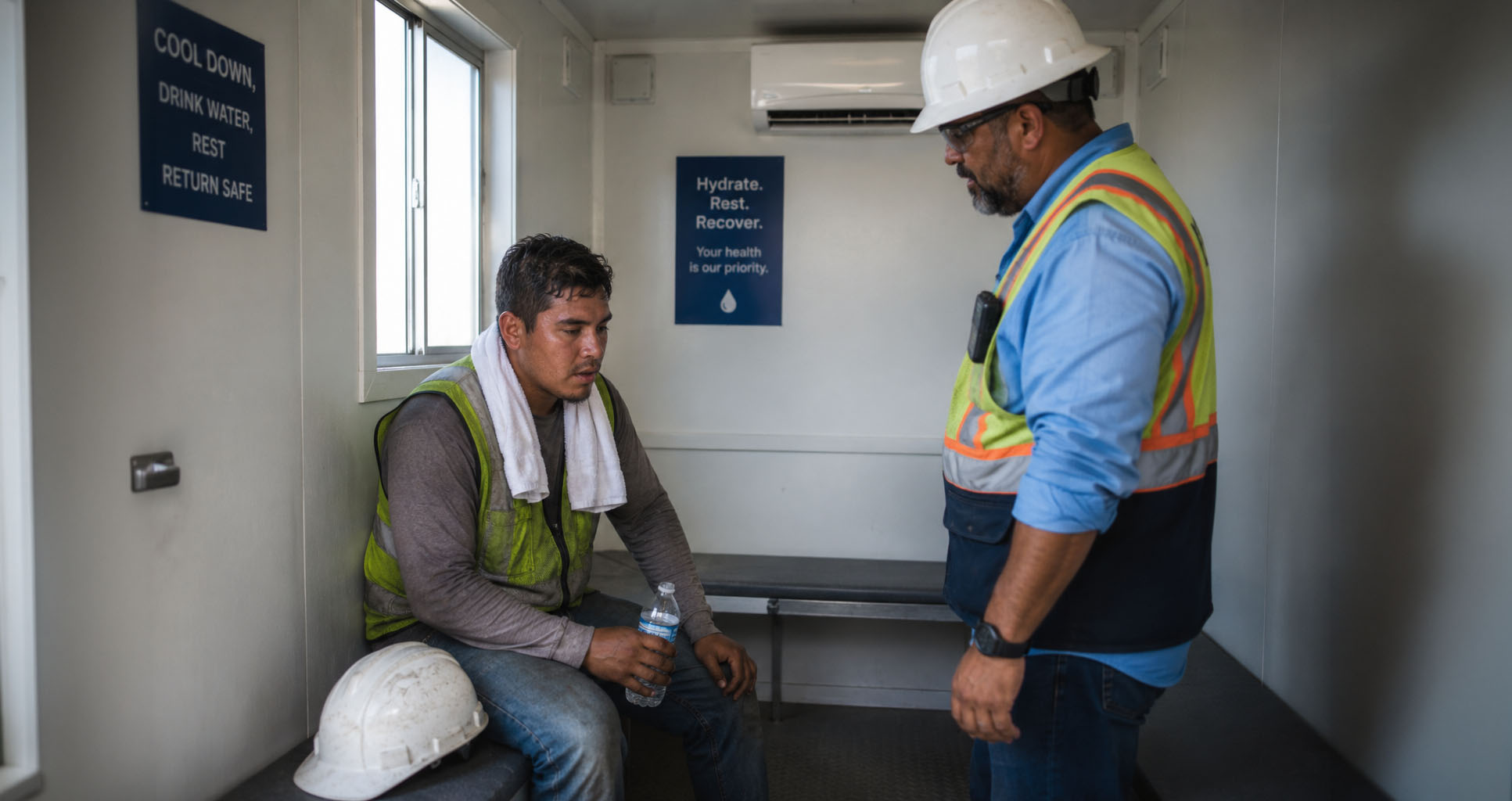
  • Agricultural workers in a hot field with limited shade — illustrating the heat-fatality risk that places agriculture at the top of U.S. occupational heat-death rankings.
    Heat Stress on the Farm: Why Agriculture Has the Highest Heat-Fatality Rate and What Cal/OSHA §3395 Misses

    Heat Stress on the Farm: Why Agriculture Has the Highest Heat-Fatality Rate and What Cal/OSHA §3395 Misses

    June 1st, 2026-Featured, Heat Stress, New OSHA Regulations-

    Agriculture leads every U.S. occupational heat-fatality ranking BLS publishes. Cal/OSHA §3395 is the strongest agricultural heat standard in the country — and four structural gaps explain why workers still die anyway. Crew-leader-as-employer, piece-rate pay disincentives, language and literacy mismatch, and the moving geometry of harvest work.

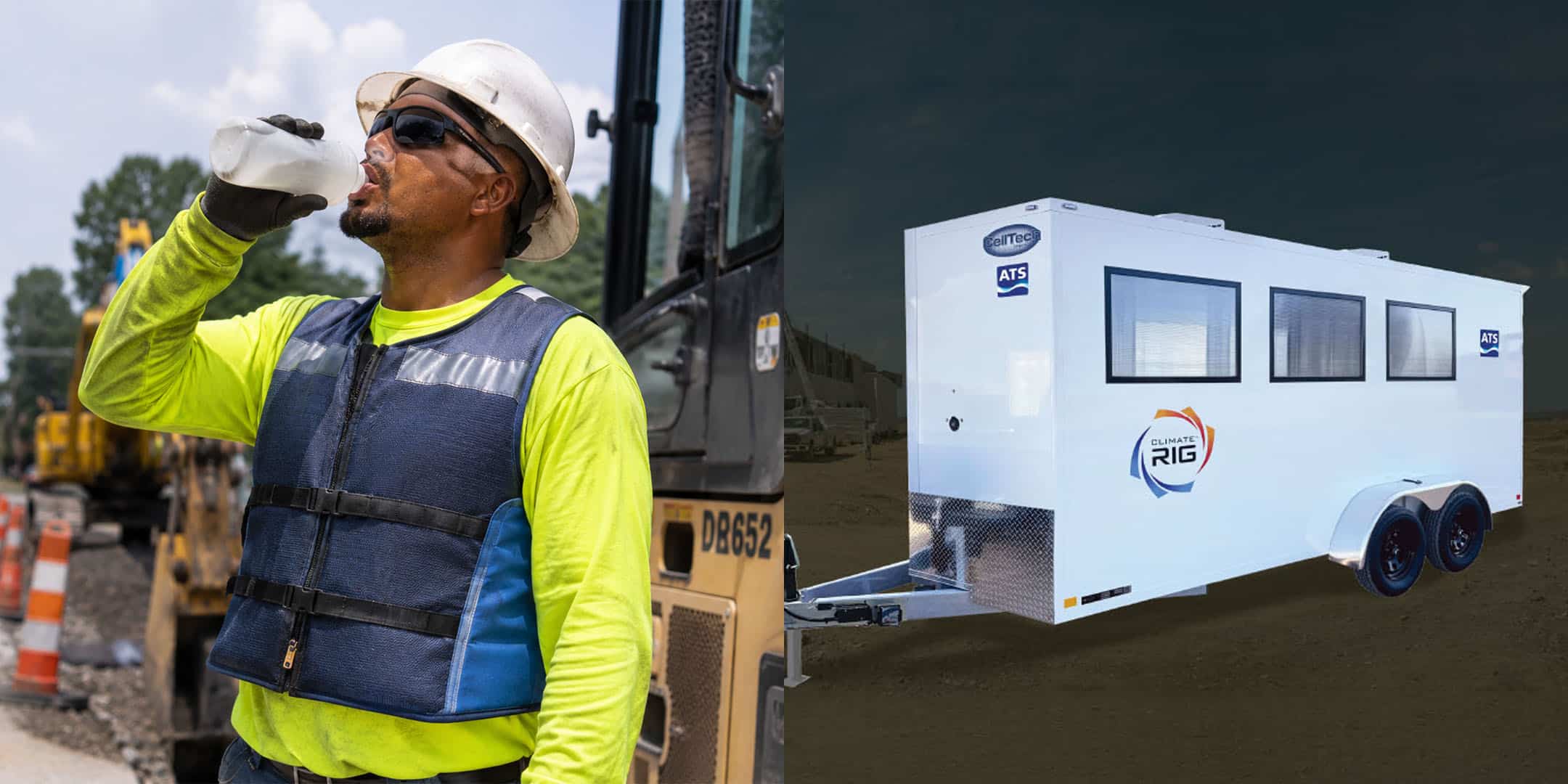
  • Side-by-side: a construction worker drinking water while wearing a phase-change cooling vest, and a ClimateRig mobile cool-down trailer — illustrating the two main heat-recovery tools on a jobsite.
    Personal Cooling Vests vs. Cool-Down Trailers: When Each Wins, and Why Most Sites Need Both

    Personal Cooling Vests vs. Cool-Down Trailers: When Each Wins, and Why Most Sites Need Both

    May 21st, 2026-Featured, Heat Stress-

    Cooling vests and cool-down trailers solve different problems. A field-tested breakdown of what each one does well, where each one fails, the OSHA test they have to pass, and the decision framework that gets you to the right buy — usually both.

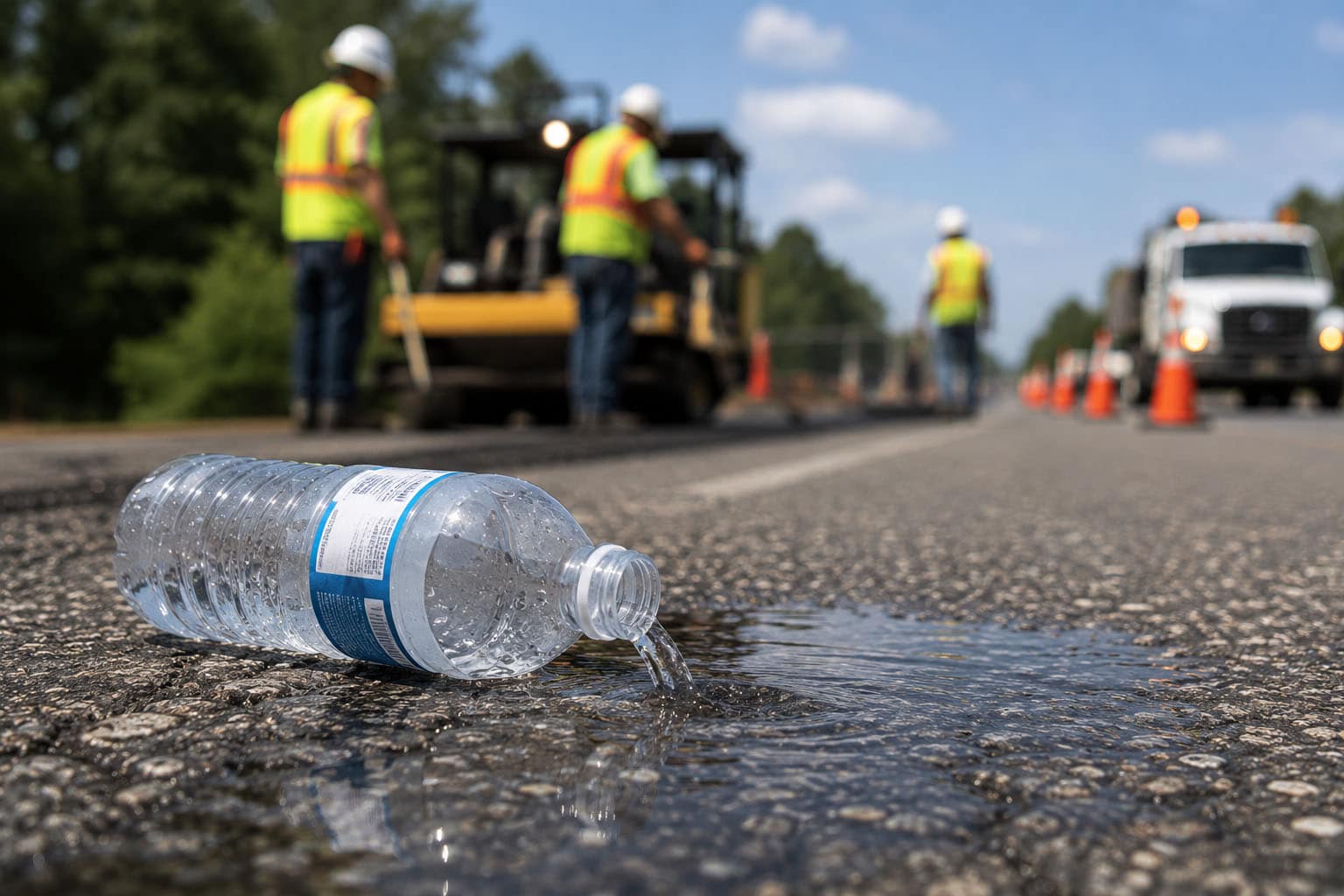
  • A spilled water bottle on hot asphalt with a road construction crew working in the background — illustrating worker hydration loss in heat.
    The Hydration Math: Gallons Per Worker, Electrolyte Ratios, and Why Plain Water Falls Short in 8+ Hour Shifts

    The Hydration Math: Gallons Per Worker, Electrolyte Ratios, and Why Plain Water Falls Short in 8+ Hour Shifts

    May 21st, 2026-Featured, Heat Stress-

    How much fluid a worker actually loses in an 8-hour shift, why plain water stops working around hour four, the electrolyte ratio that fits occupational use, and the documentation that turns a paper HIPP into an operating one.

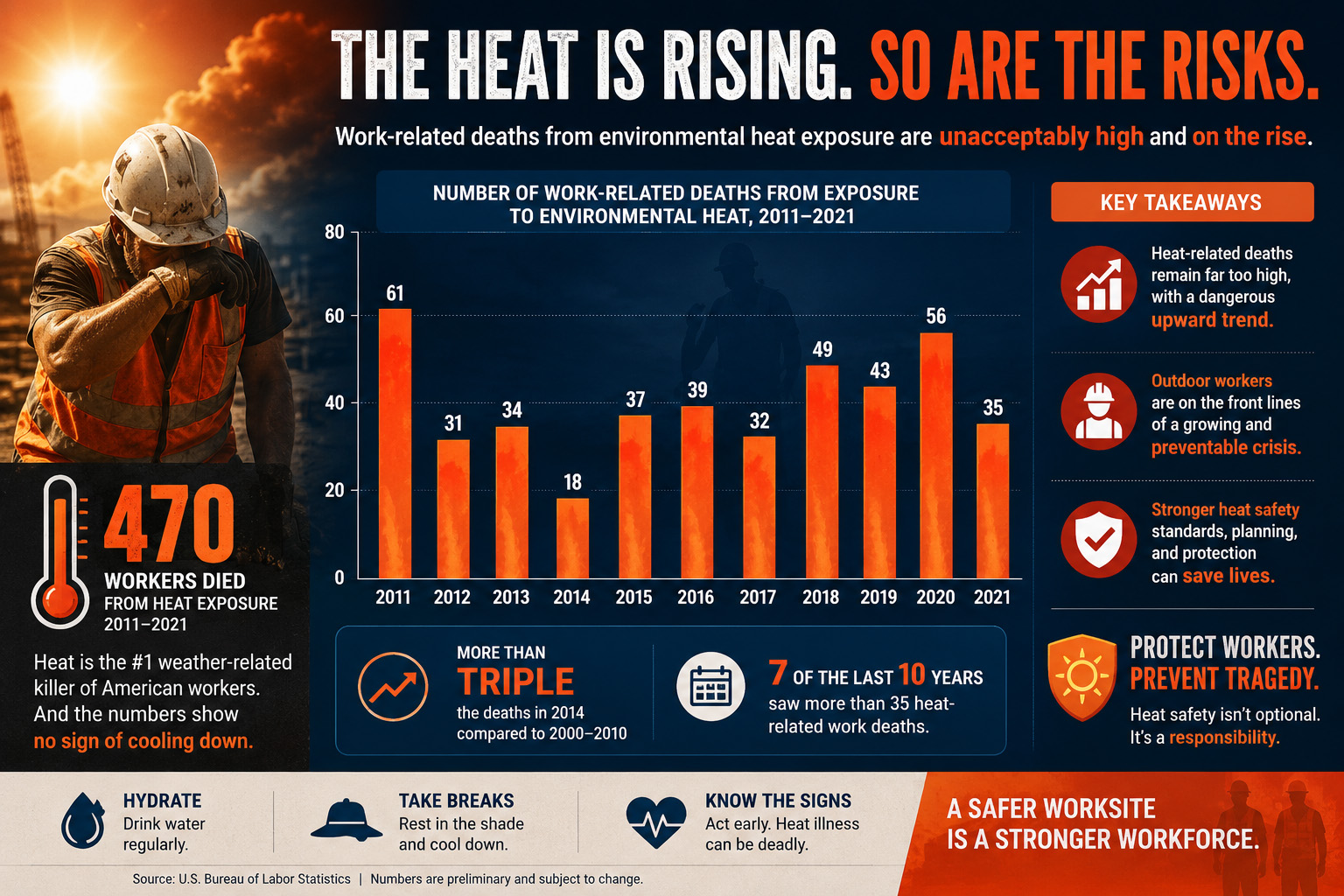
  • How Many Workers Die of Heat Stress Each Year? The 2026 Data

    How Many Workers Die of Heat Stress Each Year? The 2026 Data

    May 6th, 2026-Featured, Heat Stress-

    Heat-related worker deaths by the numbers: BLS fatality counts, the underreporting gap, industry and state rankings, and the engineering controls that actually move the line.
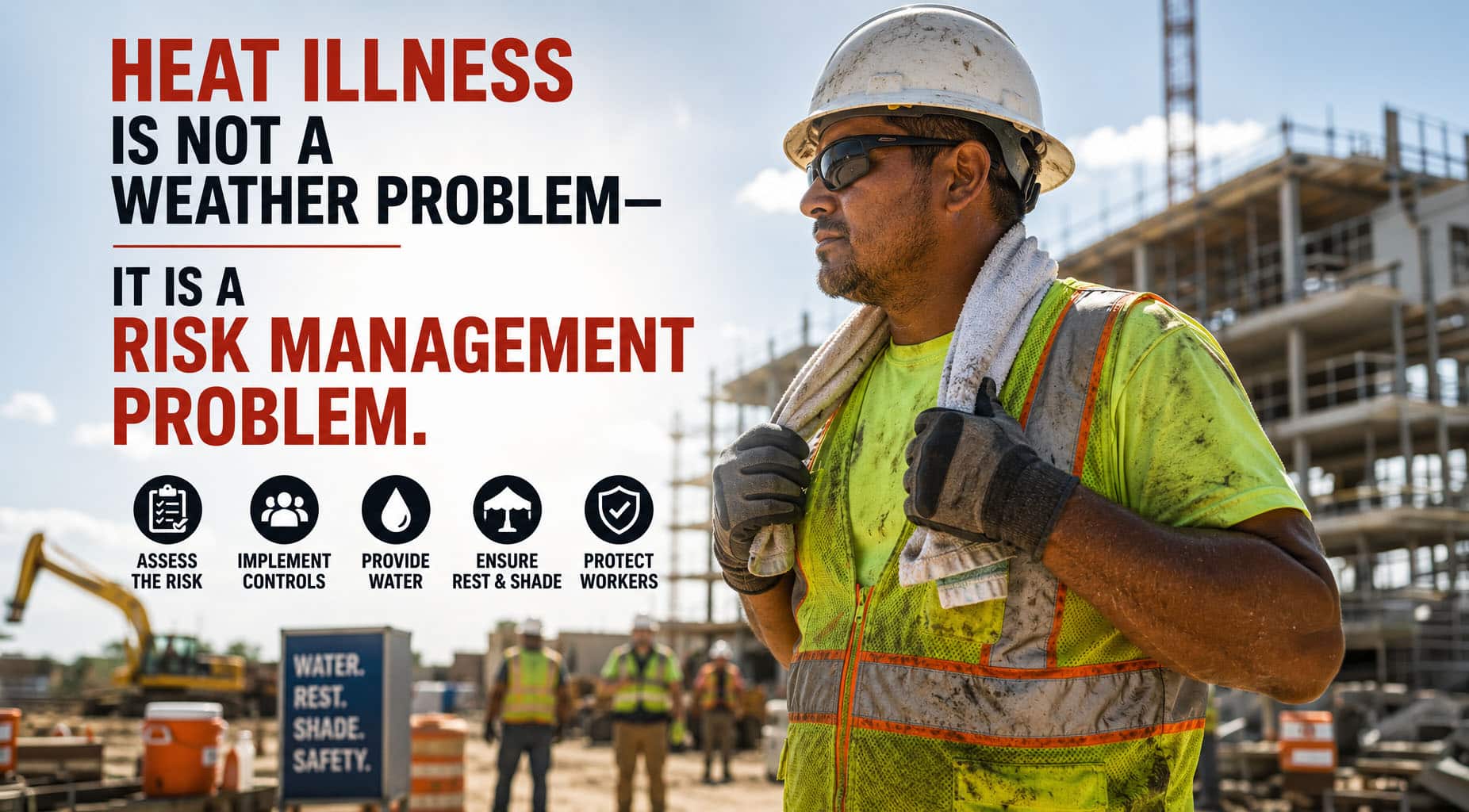
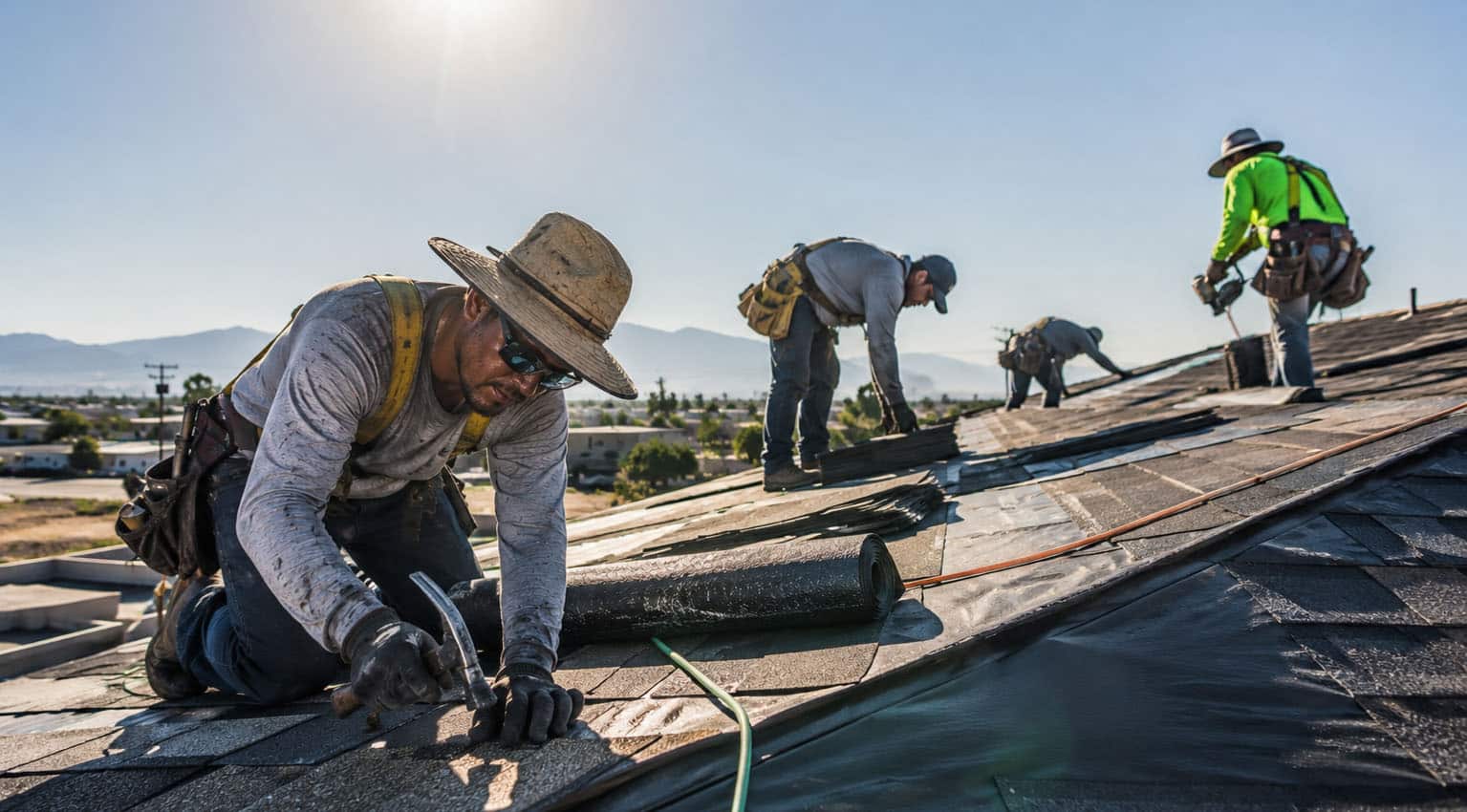
  • The 3 Key Elements of OSHA Heat Illness Prevention (and the 4 Most Plans Miss)

    The 3 Key Elements of OSHA Heat Illness Prevention (and the 4 Most Plans Miss)

    May 6th, 2026-Featured, Heat Stress-

    OSHA's three pillars of heat illness prevention — water, rest, shade — are the floor, not the ceiling. The four elements most plans miss, and how to build a HIPP that prevents incidents instead of just satisfying inspection.

  • Heat Stress Mitigation for Oil & Gas: Industry-Specific Solutions

    Heat Stress Mitigation for Oil & Gas: Industry-Specific Solutions

    April 6th, 2026-Heat Stress, Technical Details-

    Explore heat stress solutions for oil & gas workers: FRC thermal burden, WBGT monitoring, work-rest schedules, and mobile cooling trailers for well sites and refineries.

  • Construction Site Cooling: Complete 2026 Safety Guide

    Construction Site Cooling: Complete 2026 Safety Guide

    April 6th, 2026-Heat Stress, New OSHA Regulations-

    Learn how to cool construction sites and protect workers from heat stress. Complete guide to shading, hydration, OSHA regs, and cooling solutions like cool-down trailers.

12Next

© 2024 - 2026 • Alpine Technical Services, LLC. All rights reserved. Powered by AllSkye, LLC.

ATS ShieldSafe Safety Showers | Safety Rental | ATS Smart Solutions | ATS Innova
Page load link
Go to Top