Skip to content
ClimateRig.com Logo
  • HOME
  • WHY CLIMATERIG™
  • FEATURES
  • TECHNOLOGY
  • NEWS
  • CONTACT

Featured

Home » Featured
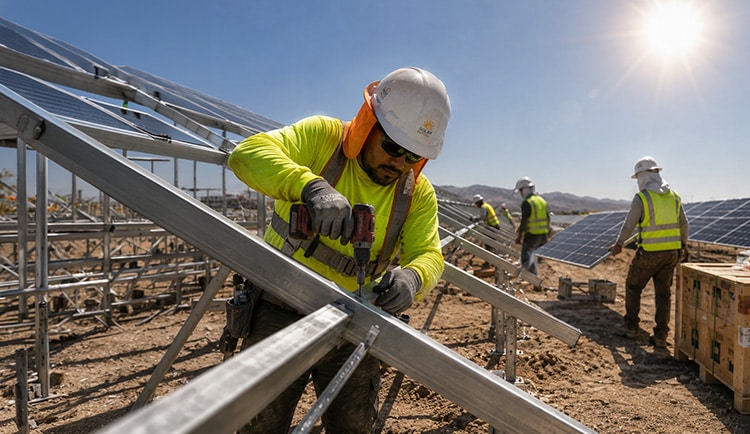
  • A utility-scale solar farm under construction on a vast shadeless site, with EPC crews installing panel rows under extreme heat exposure and no natural shade.
    Solar Farm Construction: Cooling Crews on Open, Shadeless Sites

    Solar Farm Construction: Cooling Crews on Open, Shadeless Sites

    June 23rd, 2026-Featured, Heat Stress-

    Utility-scale solar construction is structurally hotter than standard construction — no shade, reflective panel load once installation begins, and a vast migrating work face that defeats fixed cool-down infrastructure. What a working heat program looks like for solar EPCs in 2026, plus the ESG case that's increasingly differentiating in bids.

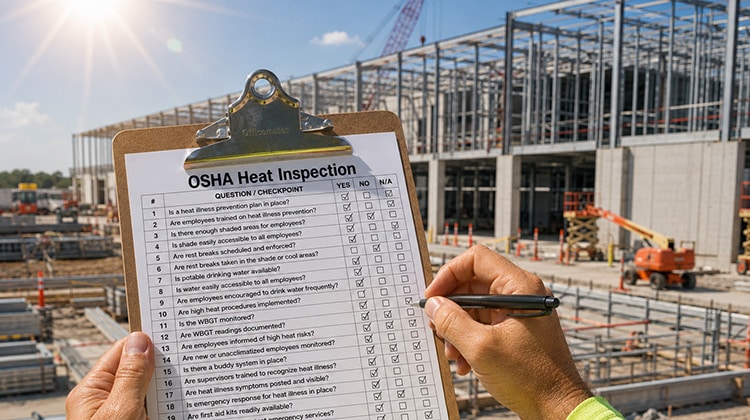
  • An OSHA compliance officer with a clipboard and handheld thermometer walking a jobsite, conducting a heat-illness prevention program inspection under the Heat NEP.
    Mock OSHA Heat Inspection: A Self-Audit Checklist for Employers Before the Compliance Officer Arrives

    Mock OSHA Heat Inspection: A Self-Audit Checklist for Employers Before the Compliance Officer Arrives

    June 23rd, 2026-Featured, New OSHA Regulations-

    OSHA's Heat NEP can open a programmed inspection on any heat-advisory day — no complaint required. A self-audit checklist organized in the order an inspector actually conducts the audit: the first 15 minutes, documentation review, worksite walkthrough, worker interviews, the 7 most common citation patterns, and a 30-item audit doable in 90 minutes per quarter.

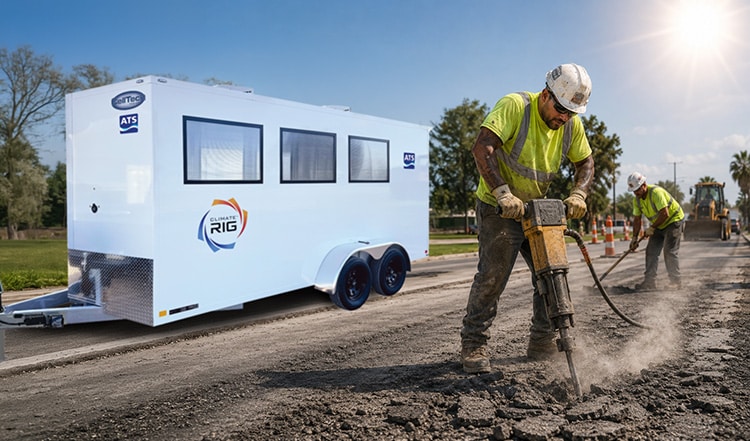
  • A construction worker exiting a ClimateRig cool-down trailer ready to return to the work face, illustrating how engineered recovery restores capacity rather than just providing rest.
    How ClimateRig Increases Worker Productivity (Not Just Worker Safety)

    How ClimateRig Increases Worker Productivity (Not Just Worker Safety)

    June 23rd, 2026-Featured, Technical Details-

    Heat exposure cuts worker output measurably per degree above optimal — the invisible loss most heat programs ignore. The productivity case for engineered cool-down infrastructure, the recovery-vs-restoration distinction, and the ROI calculation that closes the financial argument ahead of the safety case.

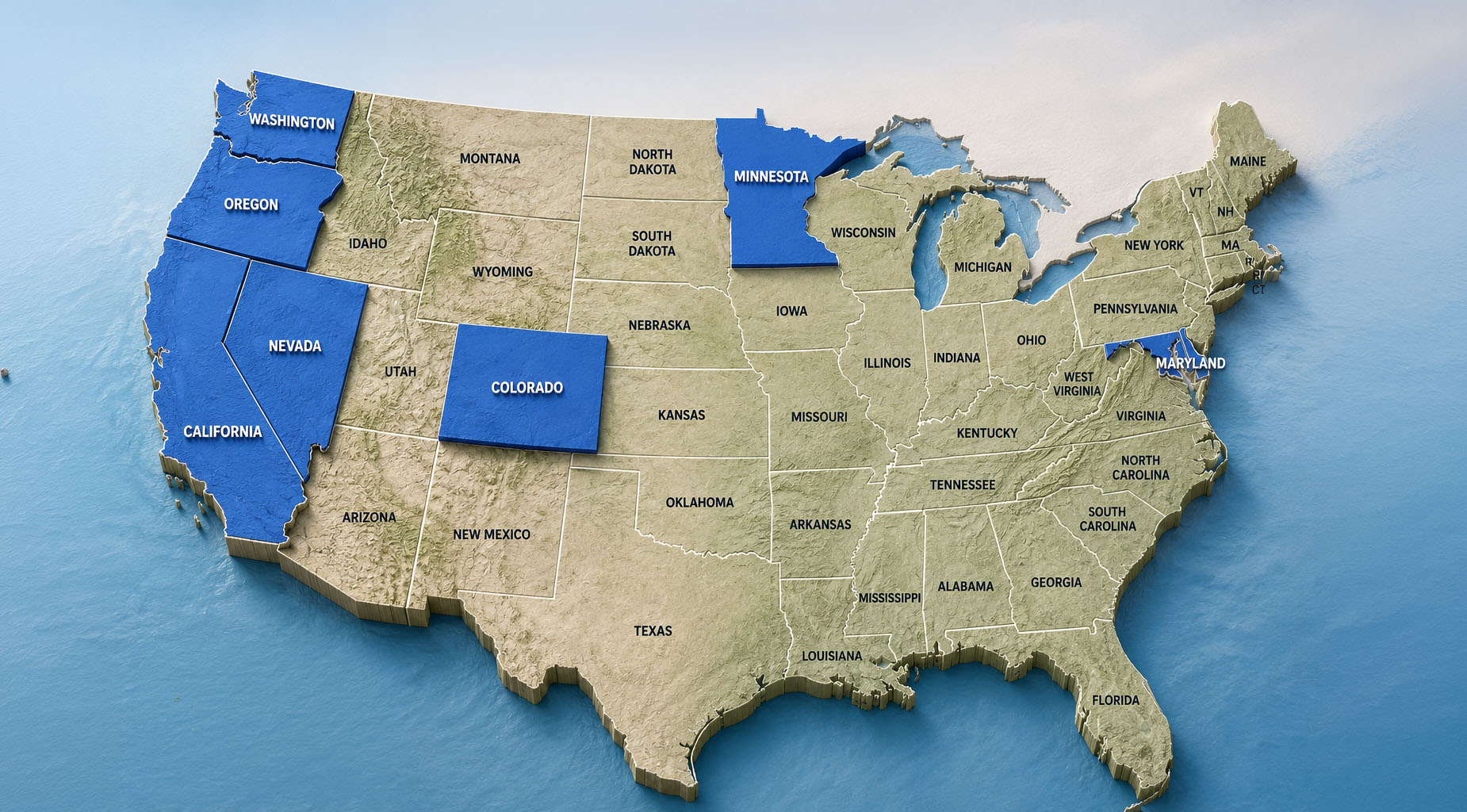
  • A U.S. state map highlighting the seven states with active heat-illness prevention standards in 2026 — California, Washington, Oregon, Nevada, Colorado, Maryland, and Minnesota.
    State-by-State Heat Standards Beyond California: Washington, Oregon, Nevada, Colorado, Maryland, and Minnesota in 2026

    State-by-State Heat Standards Beyond California: Washington, Oregon, Nevada, Colorado, Maryland, and Minnesota in 2026

    June 4th, 2026-Featured, New OSHA Regulations-

    California isn't the only state with a heat standard. Six others — Washington, Oregon, Minnesota, Maryland, Colorado, and Nevada — already enforce prescriptive heat-illness rules in 2026. Each one's triggers, scope, and methodology, plus the five states most likely to act next.
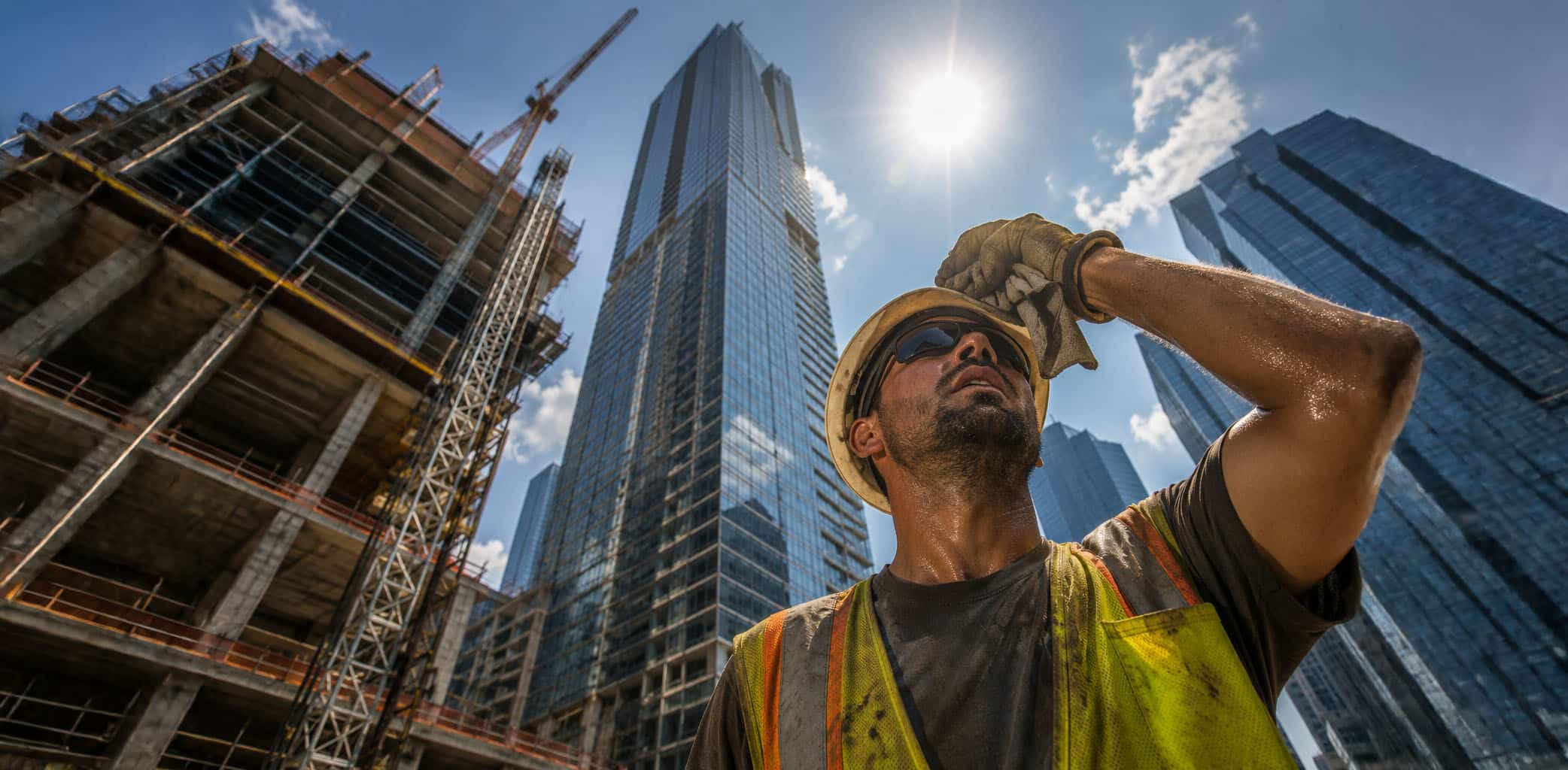
  • A visual comparison of renting versus owning a cool-down trailer — illustrating the five-year total-cost-of-ownership decision facing industrial operators in 2026.
    Cool-Down Trailer Rental vs. Ownership: A Total-Cost-of-Ownership Breakdown Over a 5-Year Horizon

    Cool-Down Trailer Rental vs. Ownership: A Total-Cost-of-Ownership Breakdown Over a 5-Year Horizon

    June 4th, 2026-Featured, Technical Details-

    Rent or buy a cool-down trailer? The honest five-year total-cost-of-ownership model with hidden costs on both sides, Section 179 and bonus depreciation treatment, and three real-world scenarios that match most industrial operators.

  • A metal-roofed warehouse interior with a worker at upper rack level on a hot afternoon — illustrating the indoor heat exposure that triggers Cal/OSHA §3396 at the 82°F and 87°F thresholds.
    Warehouse and Distribution Center Heat: When Cal/OSHA §3396 (Indoor) Applies and the Real Cost of Compliance

    Warehouse and Distribution Center Heat: When Cal/OSHA §3396 (Indoor) Applies and the Real Cost of Compliance

    June 4th, 2026-Featured, Heat Stress, New OSHA Regulations-

    Cal/OSHA §3396 (Indoor Heat) took effect July 23, 2024 and applies to far more warehouse, fulfillment, 3PL, cold-chain, and process-heat operations than most operators measured for. The 82°F vs. 87°F threshold pivot, the engineering-controls requirement at the upper threshold, and the real cost of compliance across three real-world scenarios.

  • An asphalt paving crew working next to a freshly laid mat at 300°F+ — illustrating the radiant-heat exposure category that WBGT measurement alone does not capture.
    Asphalt Paving and DOT Road Crews: Why Air Temperature Underestimates the Danger

    Asphalt Paving and DOT Road Crews: Why Air Temperature Underestimates the Danger

    June 4th, 2026-Featured, Heat Stress-

    The thermometer on the truck says 92°F. The mat your paving crew is walking next to says 305°F. This is the category of heat exposure WBGT systematically underestimates — and the position-calibrated program that actually protects asphalt paving and DOT road crews.

  • A worker recovering in a cool-down trailer with a supervisor checking on them — illustrating the 72-hour post-incident protocol that most heat plans omit.
    Heat Illness Recovery and Return-to-Work Protocols: What Happens in the 72 Hours After an Incident

    Heat Illness Recovery and Return-to-Work Protocols: What Happens in the 72 Hours After an Incident

    June 1st, 2026-Featured, Heat Stress-

    Most Heat Illness Prevention Plans end at "call 911." The 72 hours after an incident are where the second incident happens, where rhabdomyolysis shows up, and where supervisors send workers back too early. The post-incident protocol that should be in every HIPP — and is in almost none of them.

  • A worker wearing a heat-strain monitoring wearable on the arm, with a connected supervisor dashboard — illustrating the 2026 wearable category for occupational heat safety.
    Wearable Core-Temp Sensors and Heat-Strain Monitors: Hype, Useful Tool, or Liability? A 2026 Field Review

    Wearable Core-Temp Sensors and Heat-Strain Monitors: Hype, Useful Tool, or Liability? A 2026 Field Review

    June 1st, 2026-Featured, Technical Details-

    Heat-strain wearables from Kenzen, SlateSafety, Thermonator, KuduSmart, and others have moved from research curiosity to real procurement line in 2026. What they actually measure, where they earn their place, the unresolved liability question, and the decision framework before you write the PO.

  • Agricultural workers in a hot field with limited shade — illustrating the heat-fatality risk that places agriculture at the top of U.S. occupational heat-death rankings.
    Heat Stress on the Farm: Why Agriculture Has the Highest Heat-Fatality Rate and What Cal/OSHA §3395 Misses

    Heat Stress on the Farm: Why Agriculture Has the Highest Heat-Fatality Rate and What Cal/OSHA §3395 Misses

    June 1st, 2026-Featured, Heat Stress, New OSHA Regulations-

    Agriculture leads every U.S. occupational heat-fatality ranking BLS publishes. Cal/OSHA §3395 is the strongest agricultural heat standard in the country — and four structural gaps explain why workers still die anyway. Crew-leader-as-employer, piece-rate pay disincentives, language and literacy mismatch, and the moving geometry of harvest work.

12Next

© 2024 - 2026 • Alpine Technical Services, LLC. All rights reserved. Powered by AllSkye, LLC.

ATS ShieldSafe Safety Showers | Safety Rental | ATS Smart Solutions | ATS Innova
Page load link
Go to Top