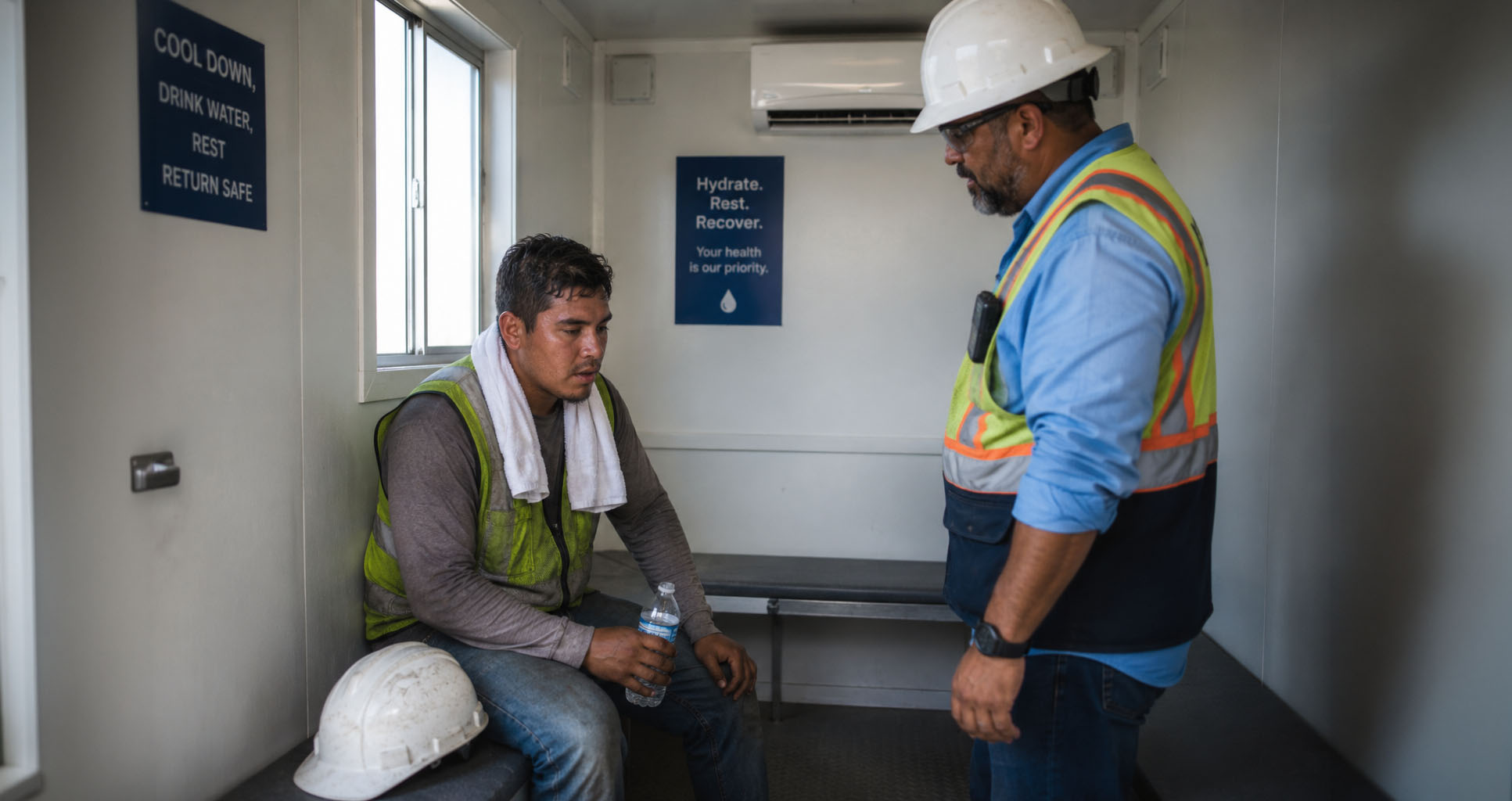
Heat exposure cuts worker output measurably per degree above optimal — the invisible loss most heat programs ignore. The productivity case for engineered cool-down infrastructure, the recovery-vs-restoration distinction, and the ROI calculation that closes the financial argument ahead of the safety case.
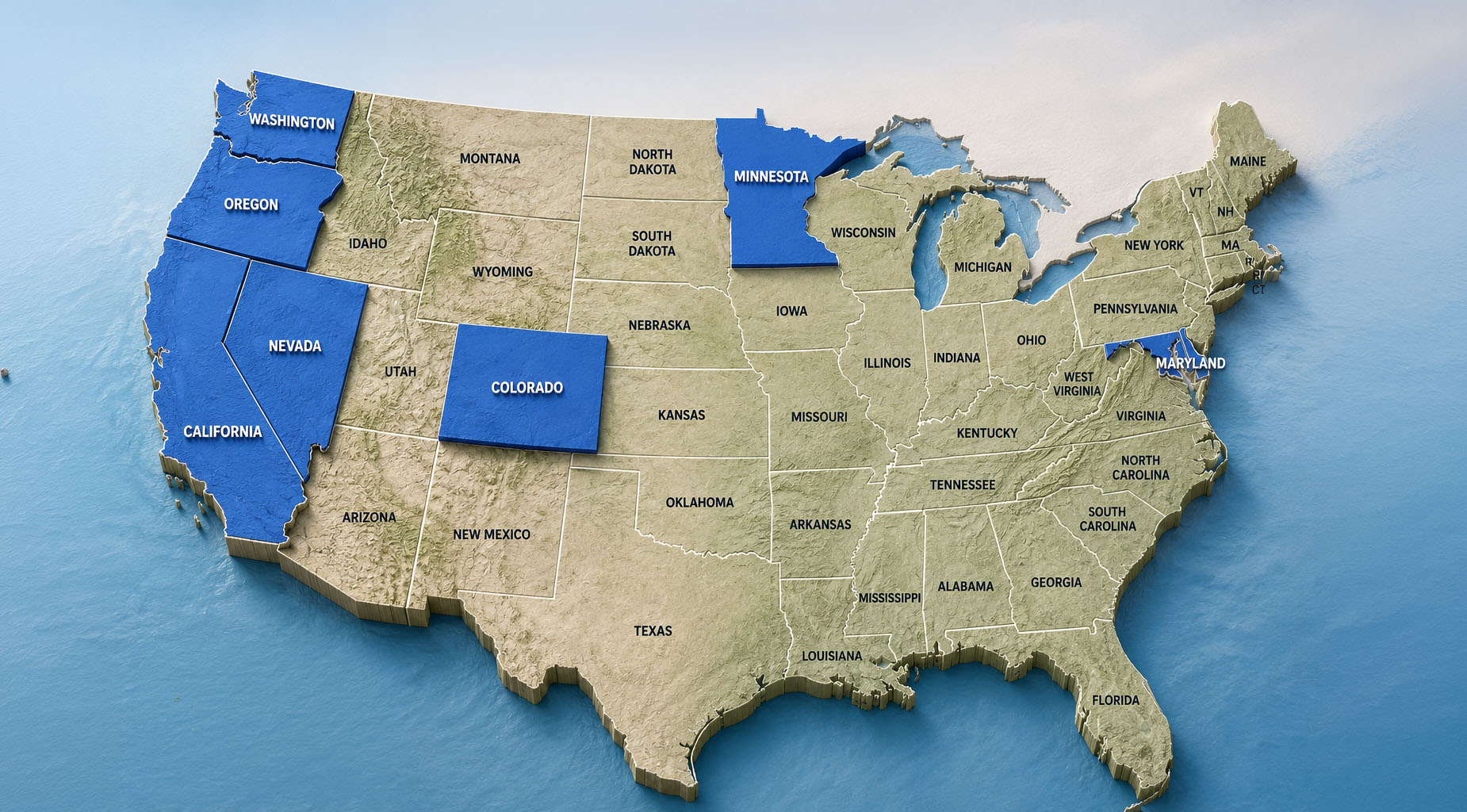
California isn't the only state with a heat standard. Six others — Washington, Oregon, Minnesota, Maryland, Colorado, and Nevada — already enforce prescriptive heat-illness rules in 2026. Each one's triggers, scope, and methodology, plus the five states most likely to act next.
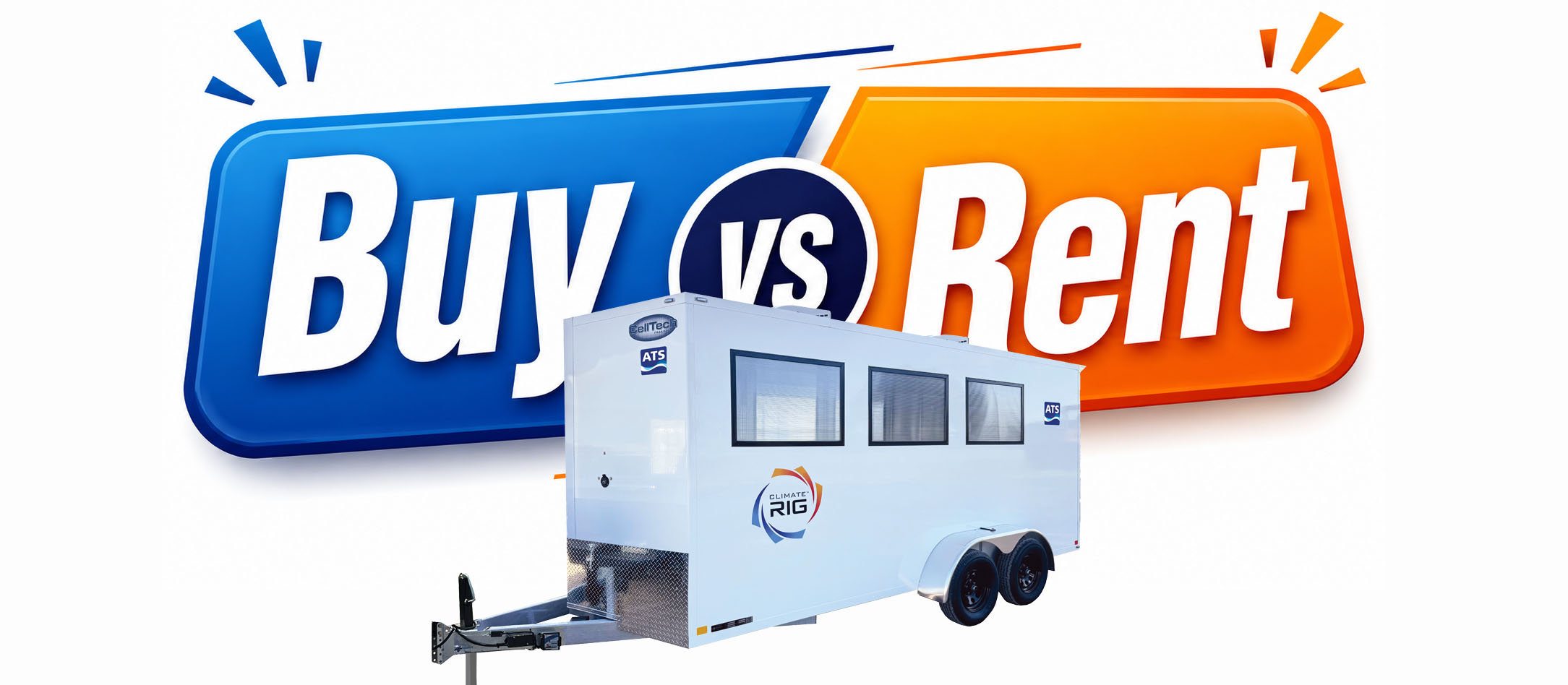
Rent or buy a cool-down trailer? The honest five-year total-cost-of-ownership model with hidden costs on both sides, Section 179 and bonus depreciation treatment, and three real-world scenarios that match most industrial operators.
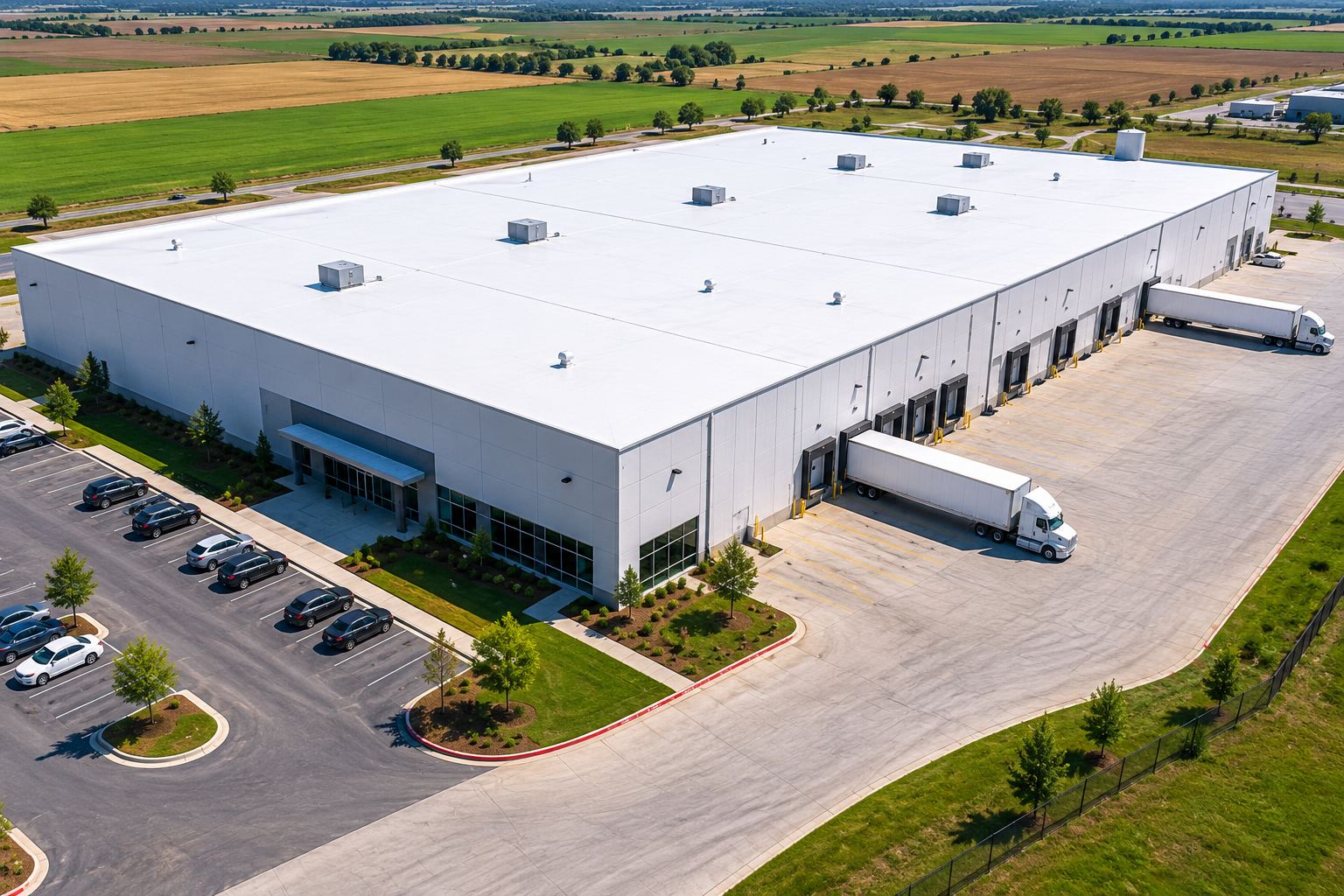
Cal/OSHA §3396 (Indoor Heat) took effect July 23, 2024 and applies to far more warehouse, fulfillment, 3PL, cold-chain, and process-heat operations than most operators measured for. The 82°F vs. 87°F threshold pivot, the engineering-controls requirement at the upper threshold, and the real cost of compliance across three real-world scenarios.
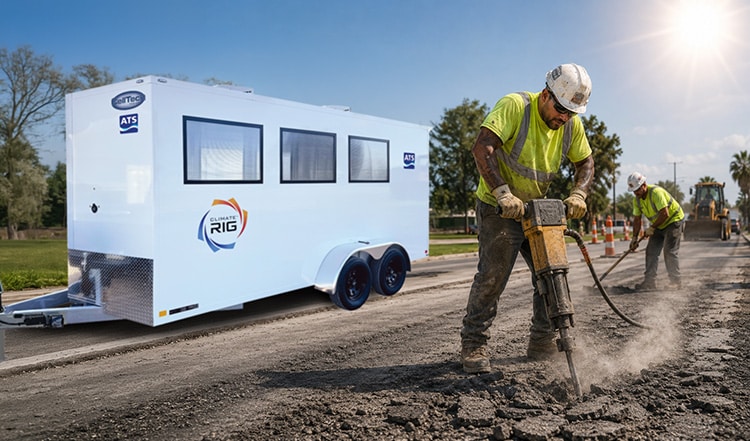
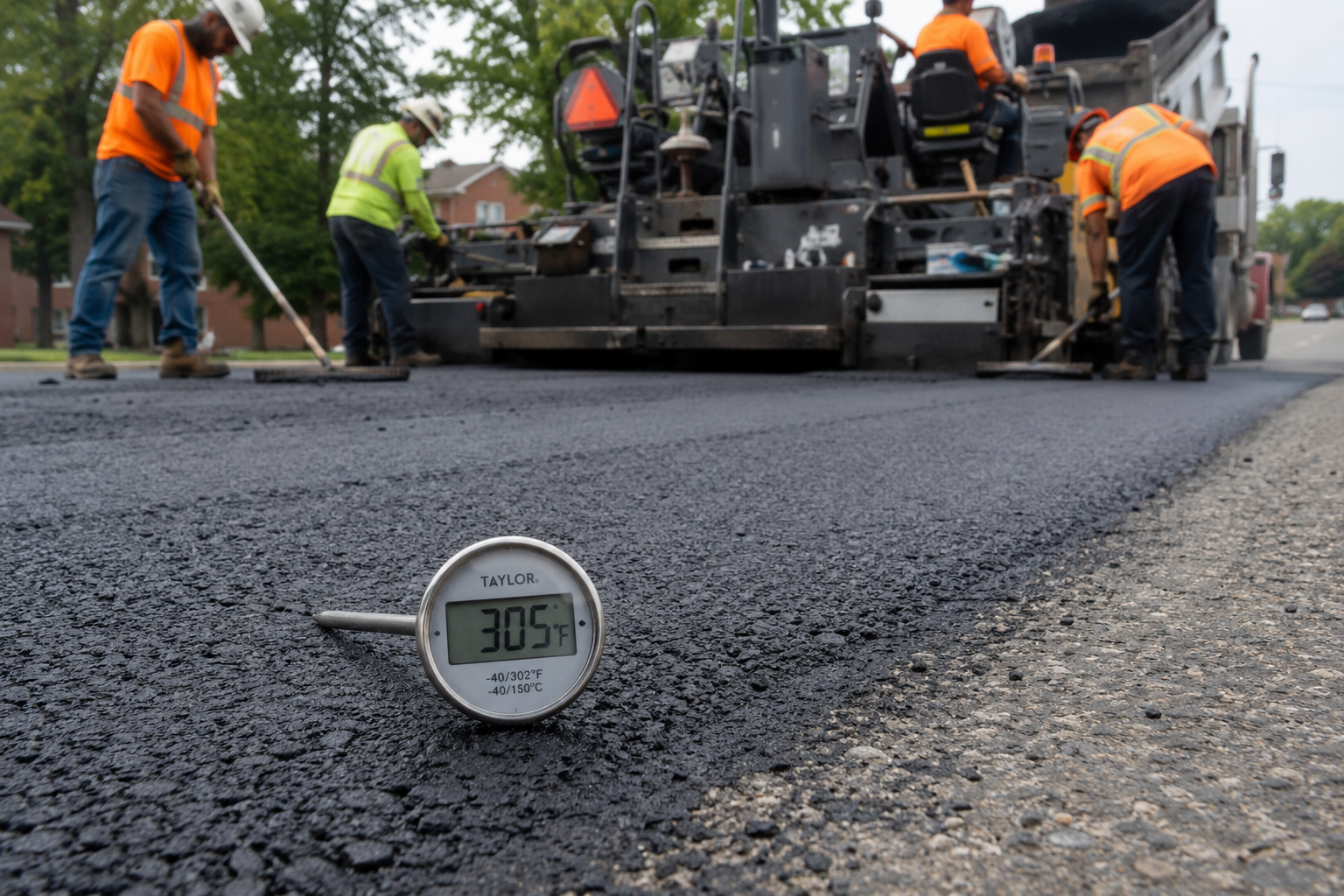
The thermometer on the truck says 92°F. The mat your paving crew is walking next to says 305°F. This is the category of heat exposure WBGT systematically underestimates — and the position-calibrated program that actually protects asphalt paving and DOT road crews.
Most Heat Illness Prevention Plans end at "call 911." The 72 hours after an incident are where the second incident happens, where rhabdomyolysis shows up, and where supervisors send workers back too early. The post-incident protocol that should be in every HIPP — and is in almost none of them.
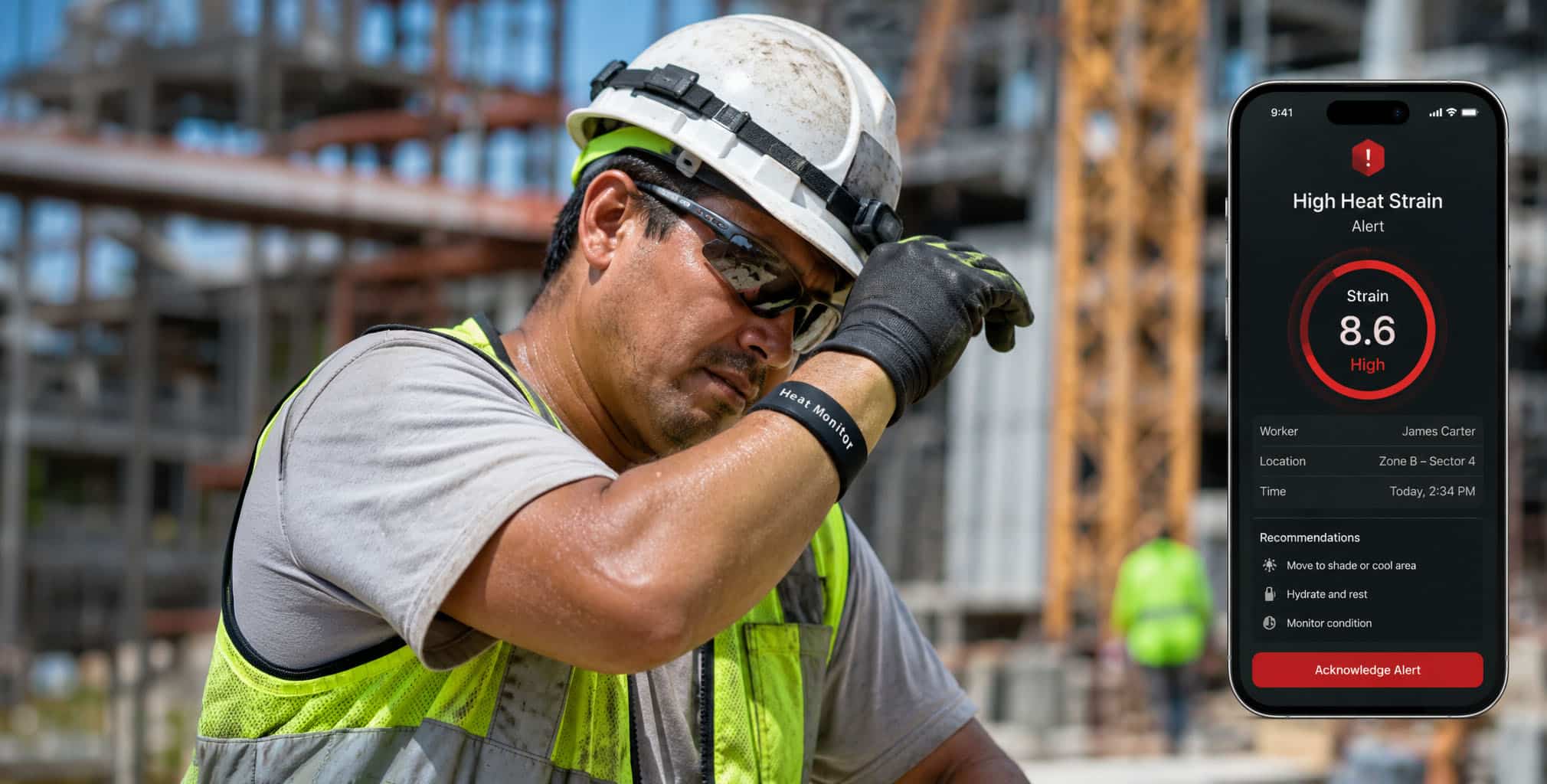
Heat-strain wearables from Kenzen, SlateSafety, Thermonator, KuduSmart, and others have moved from research curiosity to real procurement line in 2026. What they actually measure, where they earn their place, the unresolved liability question, and the decision framework before you write the PO.
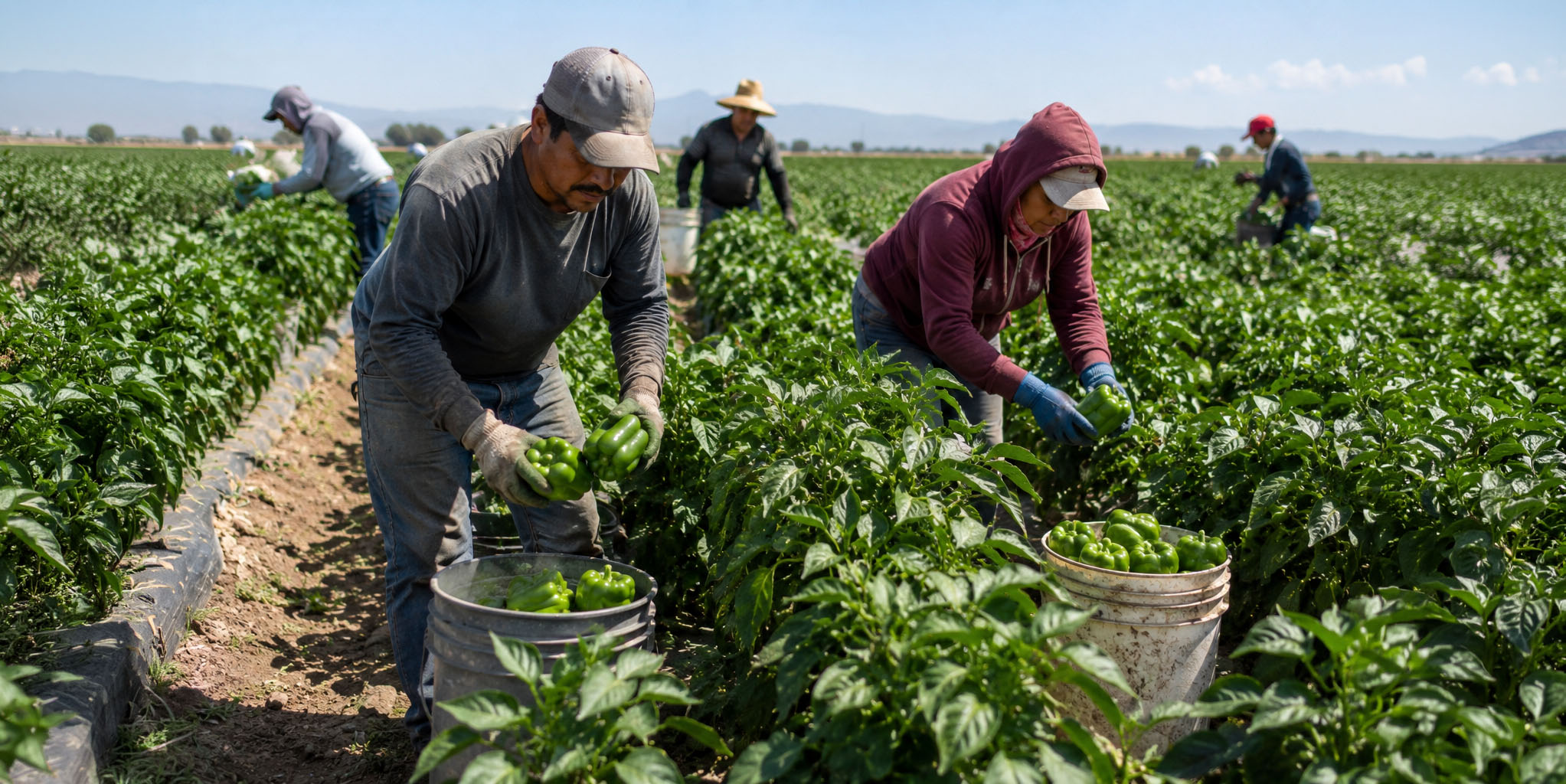
Agriculture leads every U.S. occupational heat-fatality ranking BLS publishes. Cal/OSHA §3395 is the strongest agricultural heat standard in the country — and four structural gaps explain why workers still die anyway. Crew-leader-as-employer, piece-rate pay disincentives, language and literacy mismatch, and the moving geometry of harvest work.
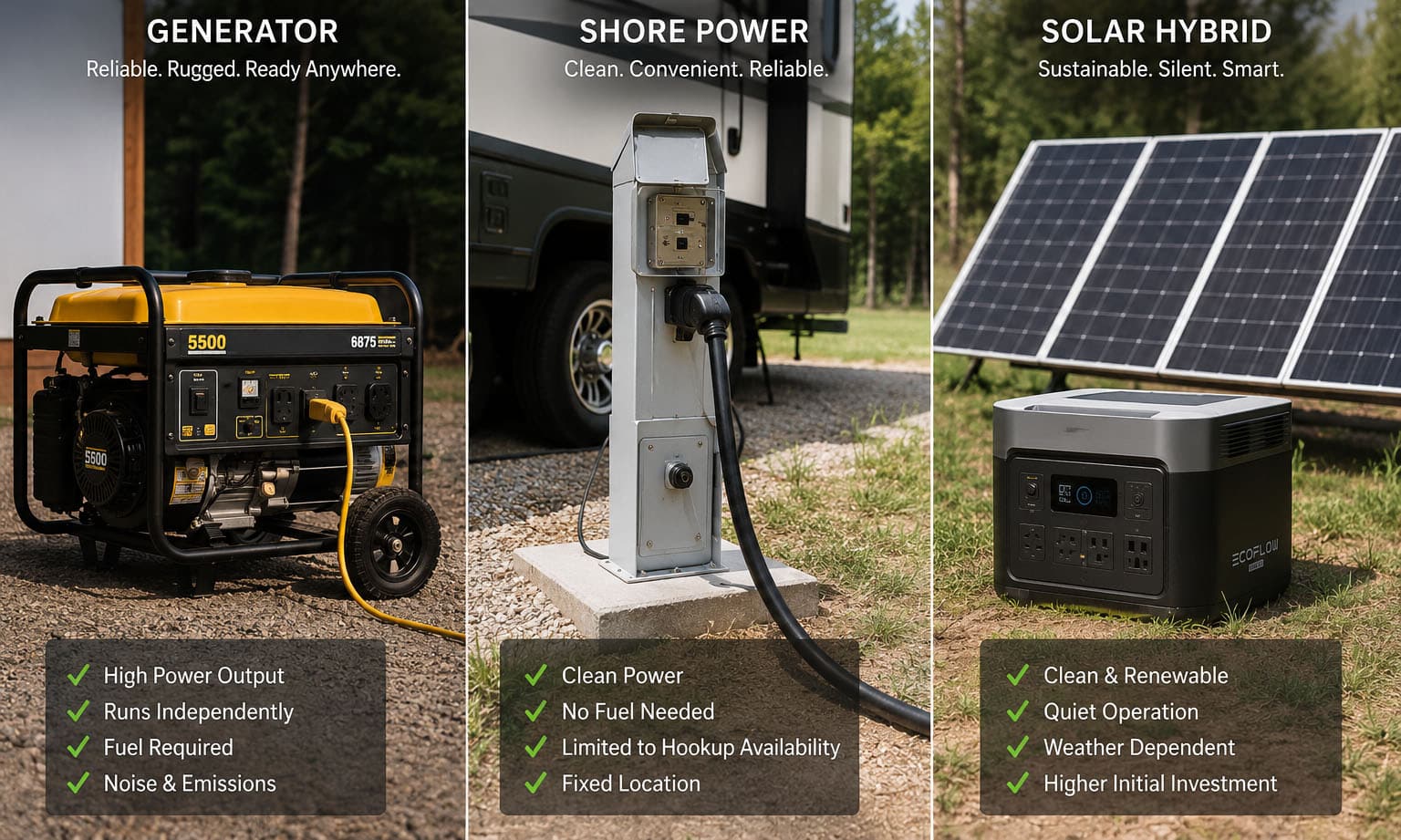
Your cool-down trailer needs 30 amps. How you deliver them determines whether the trailer ever leaves the yard. A side-by-side comparison of the three real power options for 2026 — with the failure modes nobody puts in the brochure.
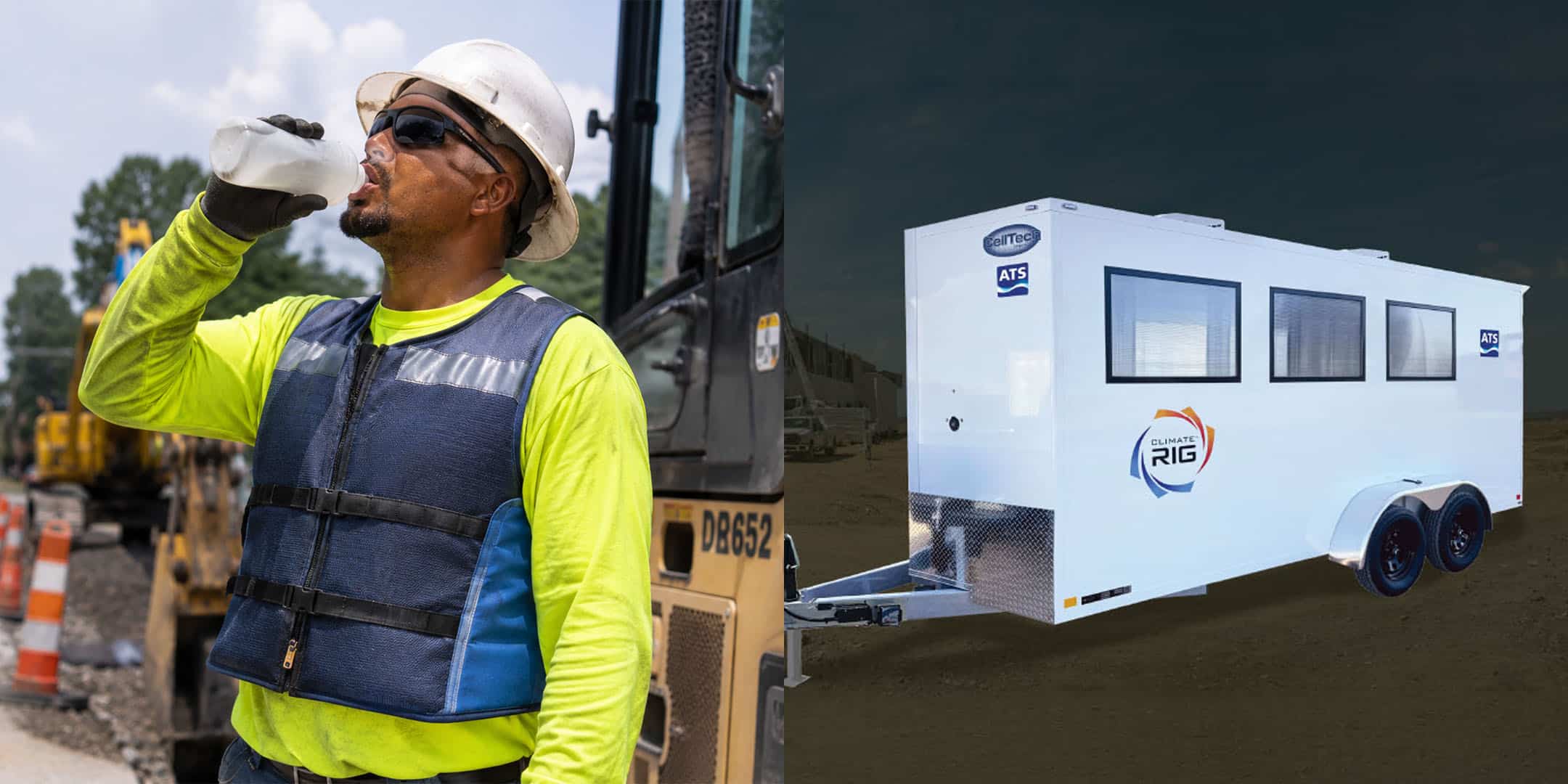
Cooling vests and cool-down trailers solve different problems. A field-tested breakdown of what each one does well, where each one fails, the OSHA test they have to pass, and the decision framework that gets you to the right buy — usually both.