When States Won’t Act, Cities Are: The Rise of Municipal Heat Protection Rules
With a federal heat standard pushed to 2027 and only a handful of states offering workers any dedicated legal protection, a new layer of regulation is starting to fill the gap: cities. New York City’s recent launch of a city-wide initiative to protect outdoor workers from extreme heat is the clearest example yet, and it’s a sign that multistate and multi-city employers now have a third jurisdiction to track — not just federal and state.1
What NYC Actually Did
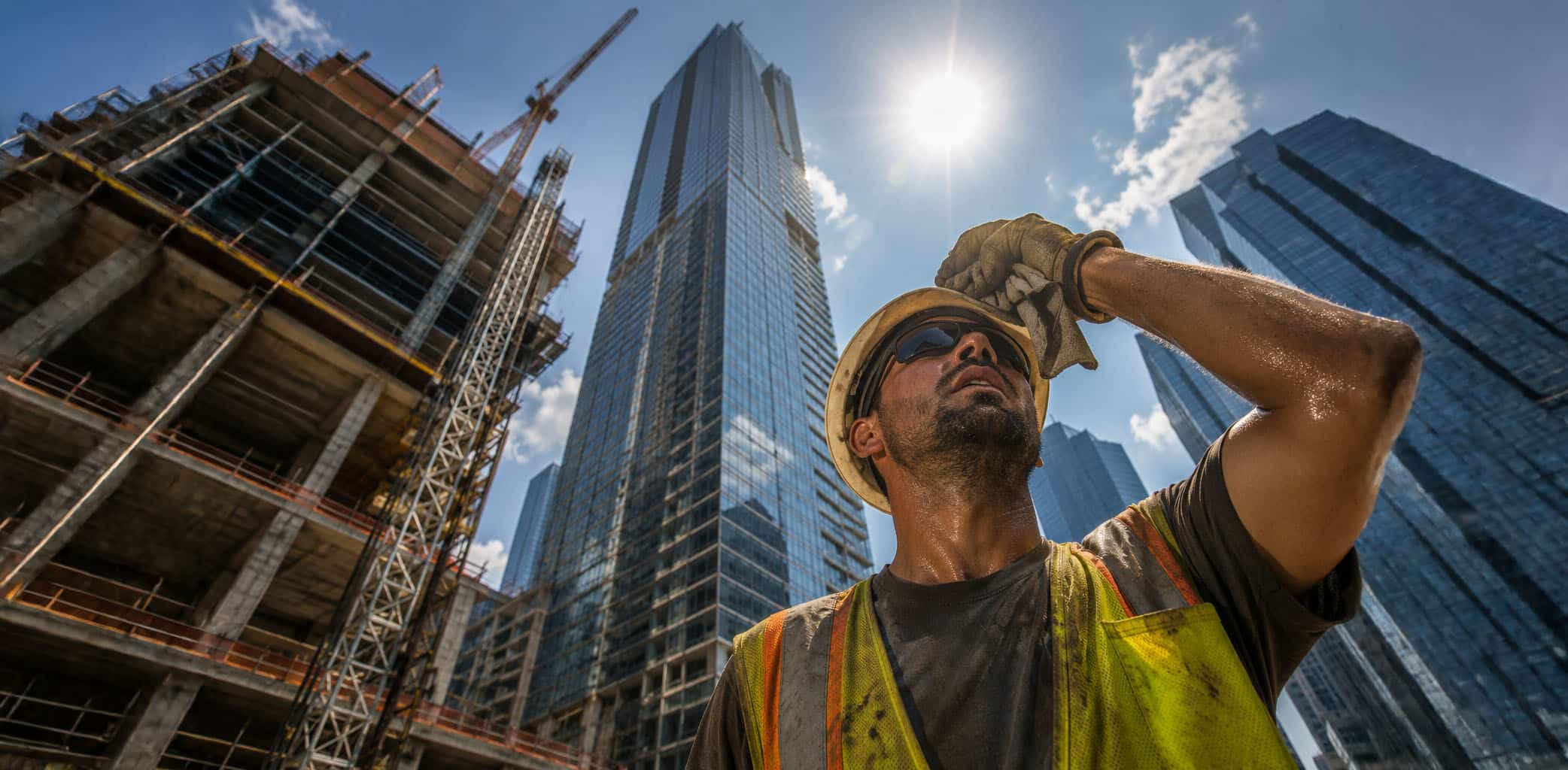
New York City rolled out a city-wide plan aimed specifically at protecting outdoor workers — sanitation crews, delivery workers, construction laborers, and others who don’t have the option of stepping into air conditioning when temperatures spike. It’s a notable move precisely because New York State does not currently have a standalone heat standard on the books; the city is acting where the state hasn’t.2
But the rollout isn’t complete. Reporting on the initiative is careful to note that key components of the plan aren’t scheduled to take effect until next year — meaning the protections that exist on paper today are ahead of the protections that will actually apply on the ground.3 That gap between announcement and enforcement is worth watching, both for what it means for NYC workers this summer and as a preview of how other cities may roll out similar programs: announced ahead of full implementation, with real teeth arriving later.
Why This Is a Genuinely New Compliance Layer
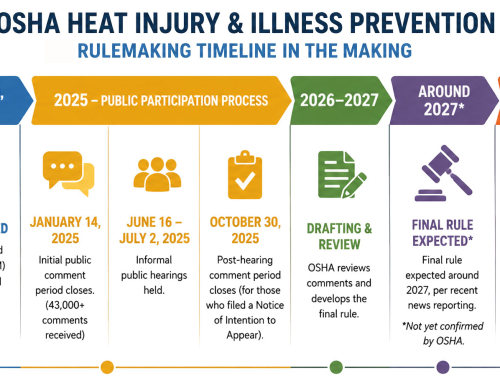
Employers have gotten used to checking two boxes: federal OSHA requirements (currently the General Duty Clause and the Heat National Emphasis Program, pending a final rule) and state requirements (a shrinking list of “yes,” a much longer list of “no”). Municipal action adds a third, messier layer:
- City ordinances can move faster than state legislatures. NYC’s initiative exists in a state with no heat law at all — proof that city councils and mayors don’t need to wait on their state capitol to act.
- They can also lag in practice. As this rollout shows, an announced program and an enforceable one aren’t the same thing. Employers need to track not just whether a city has acted, but which parts of that action are actually live.
- Coverage will be uneven and hyper-local. A national or regional employer operating in multiple cities within a single “no state law” state could still face different municipal requirements from one job site to the next.
What Multi-Site Employers Should Do Now
- Add “city” to your regulatory tracking, not just federal and state. If you operate in major metros, especially ones in states without heat standards, check whether local government has moved or is moving on this.
- Read the effective dates carefully. Municipal programs like NYC’s may be announced well ahead of full implementation. Know which specific requirements are enforceable today versus scheduled for next year, and build toward the eventual standard rather than just the current one.
- Default to the strongest applicable standard, regardless of source. Whether a requirement comes from OSHA’s General Duty Clause, a state statute, or a city ordinance, workers benefit the same way from water, shade, rest breaks, and monitoring. Build one program that satisfies the strictest layer you’re subject to instead of maintaining separate playbooks per jurisdiction.
- Treat this as an early signal, not an isolated case. If NYC is acting in a state with no heat law, other major cities in similarly uncovered states are plausible next movers. Getting ahead of local action is cheaper than reacting to it after an ordinance passes.
The regulatory patchwork that started as a federal-versus-state story is quickly becoming a federal-state-city story. Employers who build flexible, portable heat safety infrastructure — reliable cool-down access, monitoring, documentation — put themselves in a position to meet whichever layer of government acts first, instead of scrambling each time a new jurisdiction weighs in.
See also The Stalled Federal OSHA Heat Rule — and the 50-State Patchwork Employers Now Have to Navigate for the federal and state layers of this picture.
References
- How outdoor workers are being protected against the extreme heat this summer — WWNO/NPR
- Ibid.
- Ibid.
Disclaimer: This article summarizes recent news coverage of municipal heat protection policy for informational purposes. It is not legal advice. Consult qualified safety and legal professionals for guidance specific to your operations and jurisdiction.
About the author : Bryce Hinckley