With a federal heat rule pushed to 2027 and few states covering workers, New York City is stepping in with its own outdoor-worker heat protections — a preview of a new compliance layer for multi-site employers.
OSHA quietly extended its Heat National Emphasis Program through April 2031 and issued new interim guidance. Here's why that matters more than the stalled federal rule, in the short term.
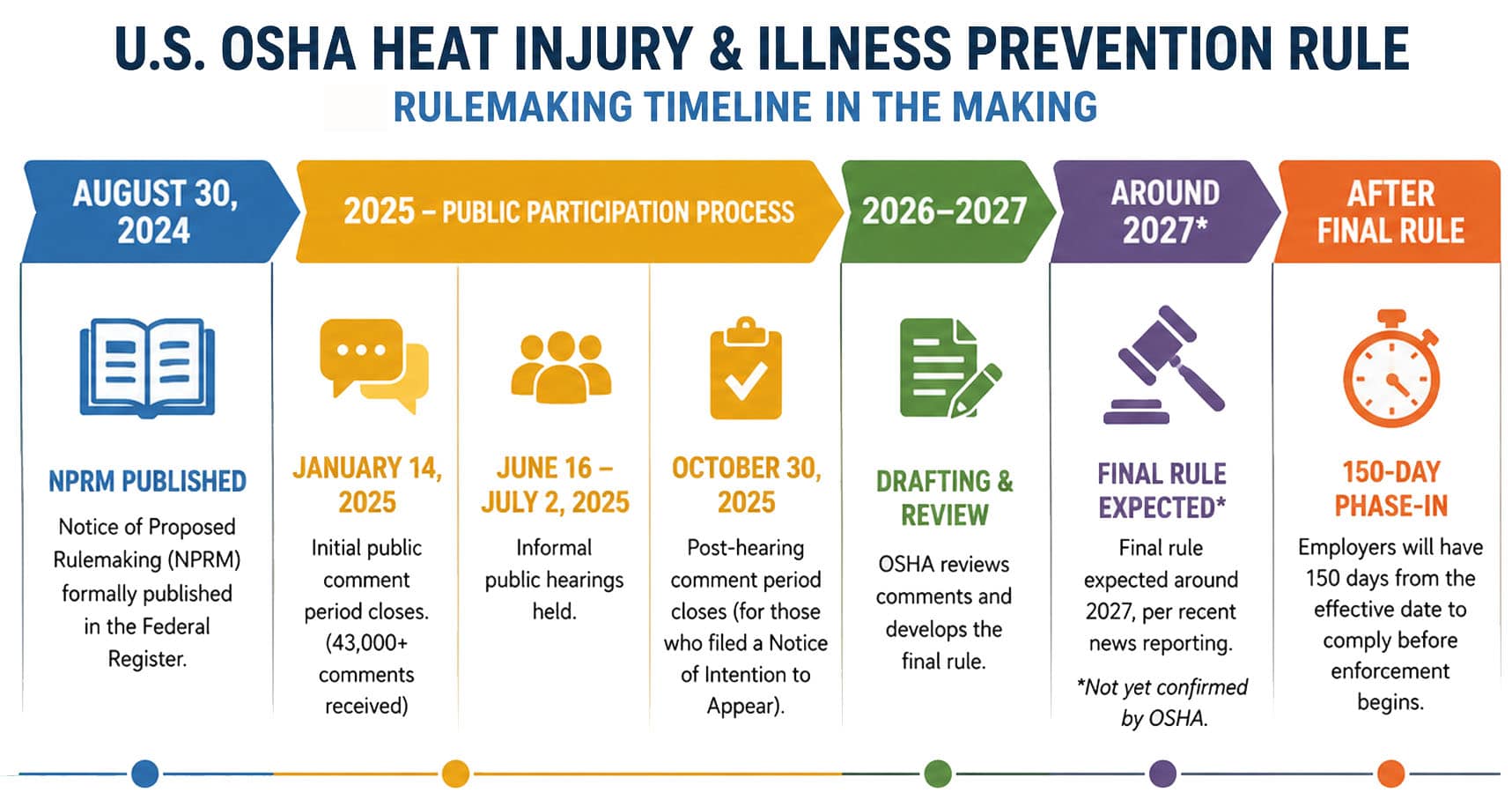
The federal OSHA heat rule has slipped to a 2027 timeline. Only 6–7 states have enforceable heat protections — here's what multistate employers need to do about the other 44.
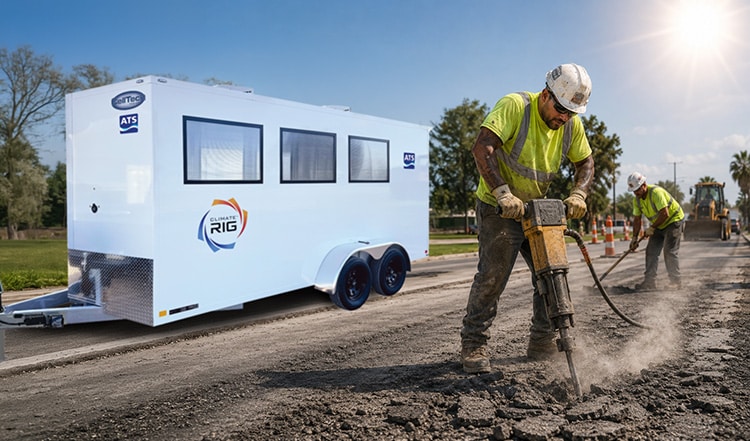
A single heat stroke claim can exceed $500,000 in direct workers' comp costs — and drag your EMR for three years. Here's the financial case for a HIPP and a cool-down trailer, framed for CFOs and risk managers.
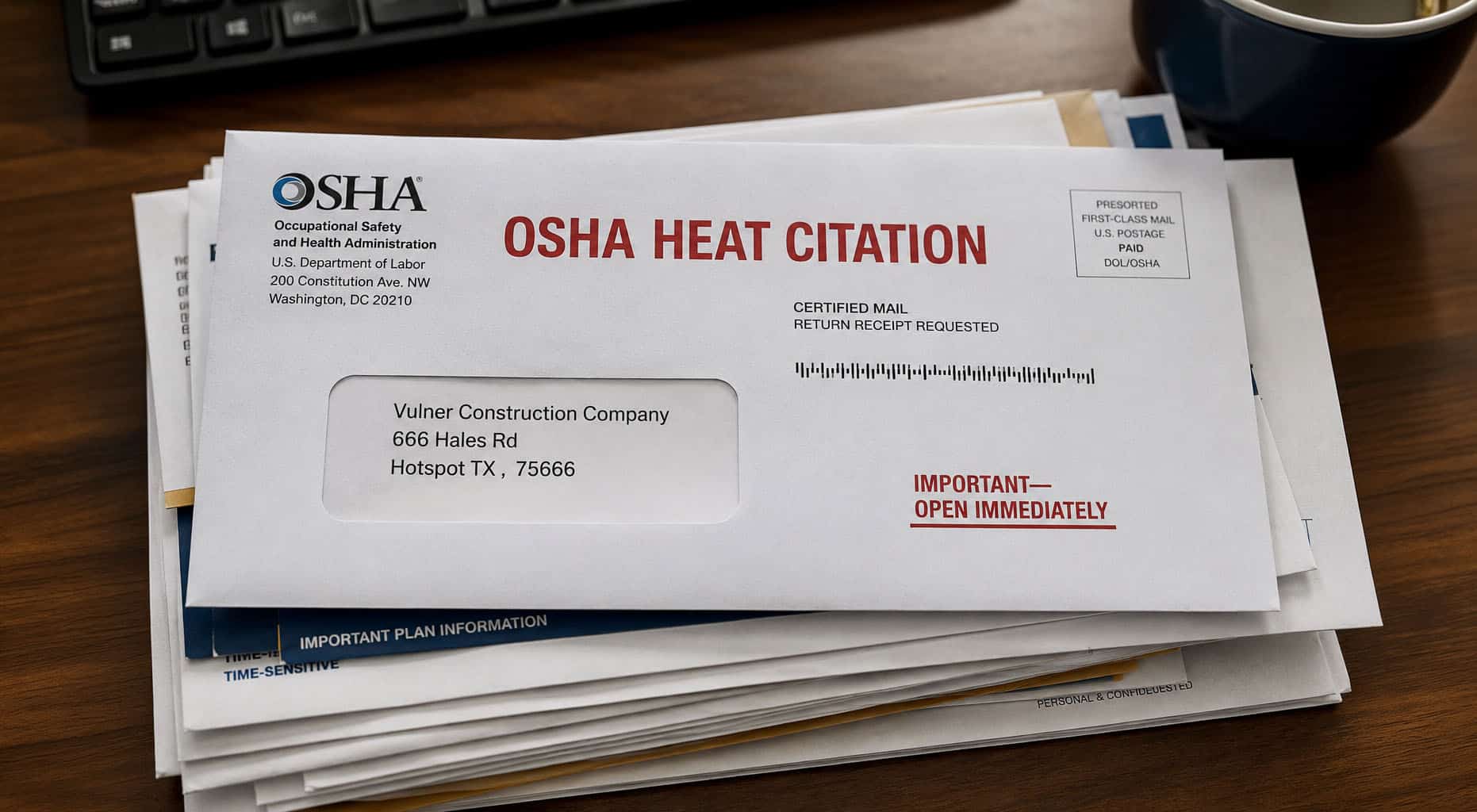
OSHA's heat enforcement is no longer theoretical. Through the General Duty Clause and a rolling National Emphasis Program, real citations are running into six figures. Here's what the actual case record shows.
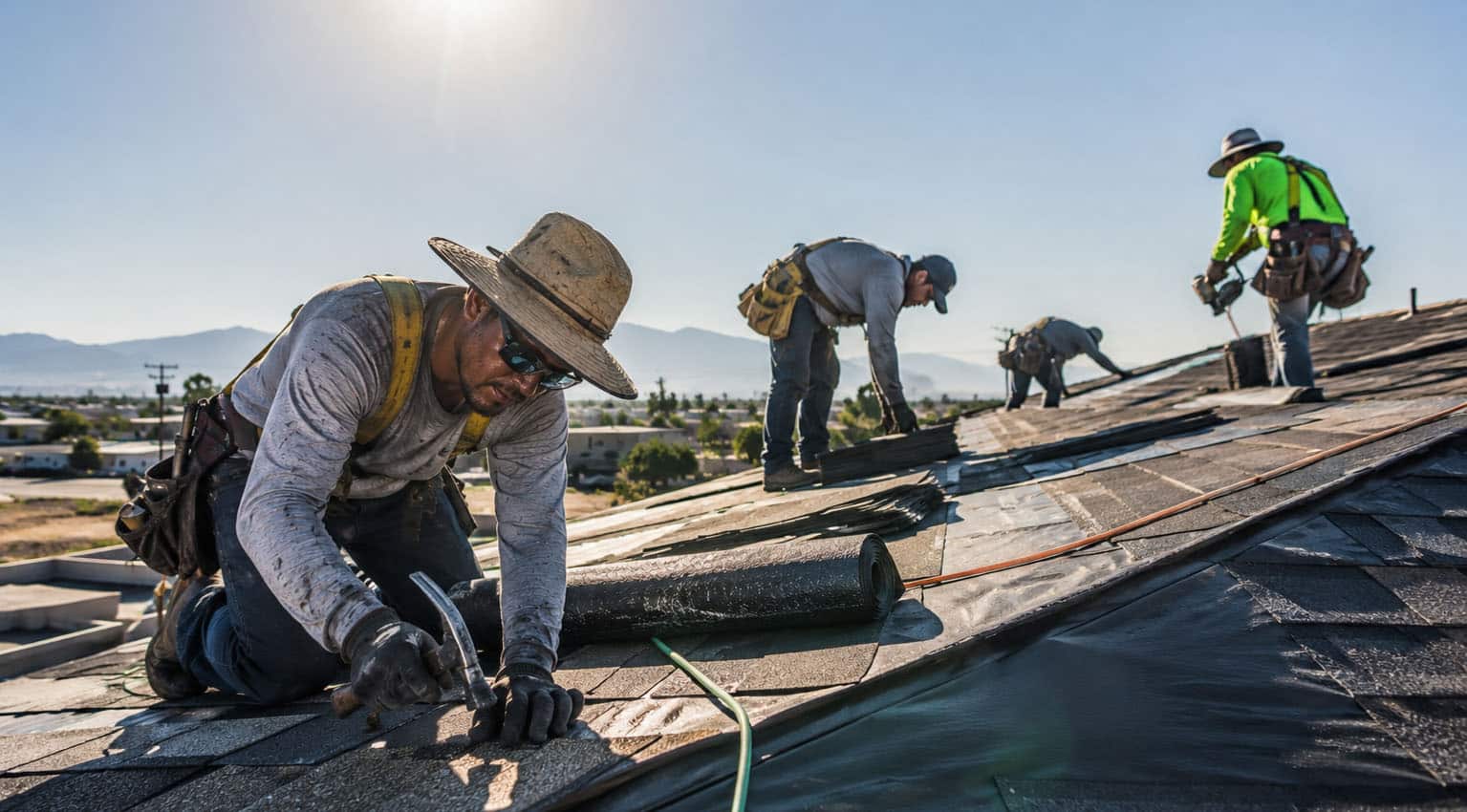
When the thermometer reads 110°F, roofers face a far greater heat burden than ambient temperature alone suggests. Here's the science behind roof-surface radiant load — and how to build a break schedule around the actual hazard.
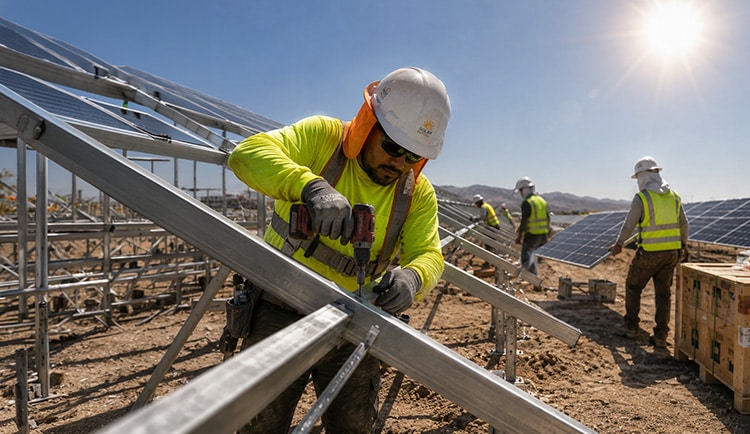
Utility-scale solar construction is structurally hotter than standard construction — no shade, reflective panel load once installation begins, and a vast migrating work face that defeats fixed cool-down infrastructure. What a working heat program looks like for solar EPCs in 2026, plus the ESG case that's increasingly differentiating in bids.
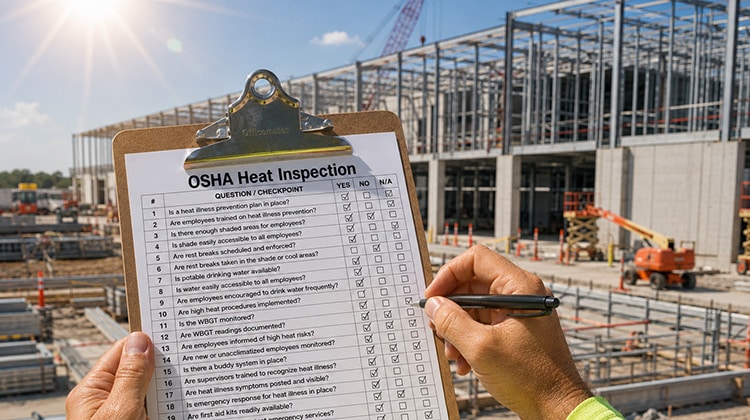
OSHA's Heat NEP can open a programmed inspection on any heat-advisory day — no complaint required. A self-audit checklist organized in the order an inspector actually conducts the audit: the first 15 minutes, documentation review, worksite walkthrough, worker interviews, the 7 most common citation patterns, and a 30-item audit doable in 90 minutes per quarter.
Heat exposure cuts worker output measurably per degree above optimal — the invisible loss most heat programs ignore. The productivity case for engineered cool-down infrastructure, the recovery-vs-restoration distinction, and the ROI calculation that closes the financial argument ahead of the safety case.
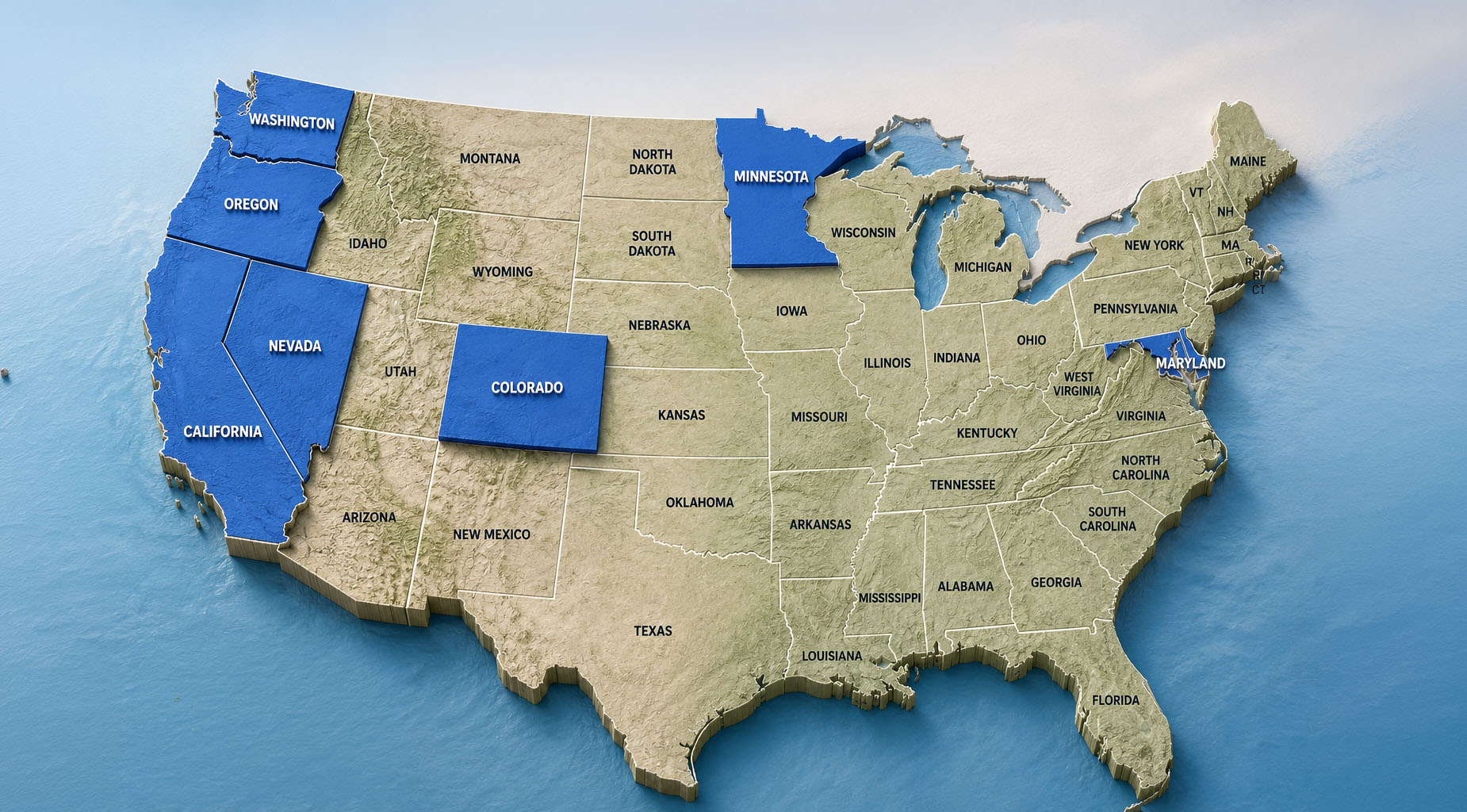
California isn't the only state with a heat standard. Six others — Washington, Oregon, Minnesota, Maryland, Colorado, and Nevada — already enforce prescriptive heat-illness rules in 2026. Each one's triggers, scope, and methodology, plus the five states most likely to act next.