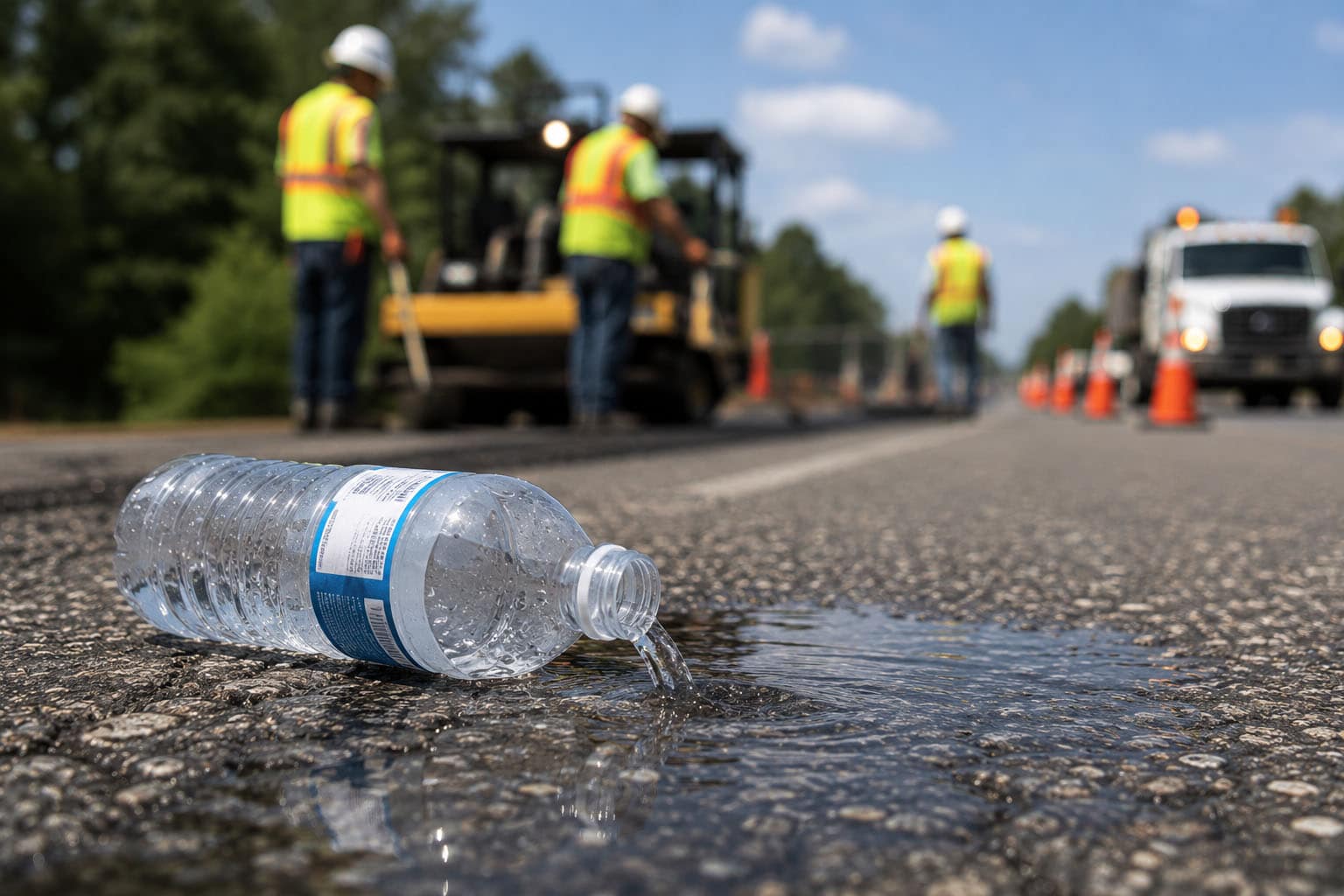
How much fluid a worker actually loses in an 8-hour shift, why plain water stops working around hour four, the electrolyte ratio that fits occupational use, and the documentation that turns a paper HIPP into an operating one.
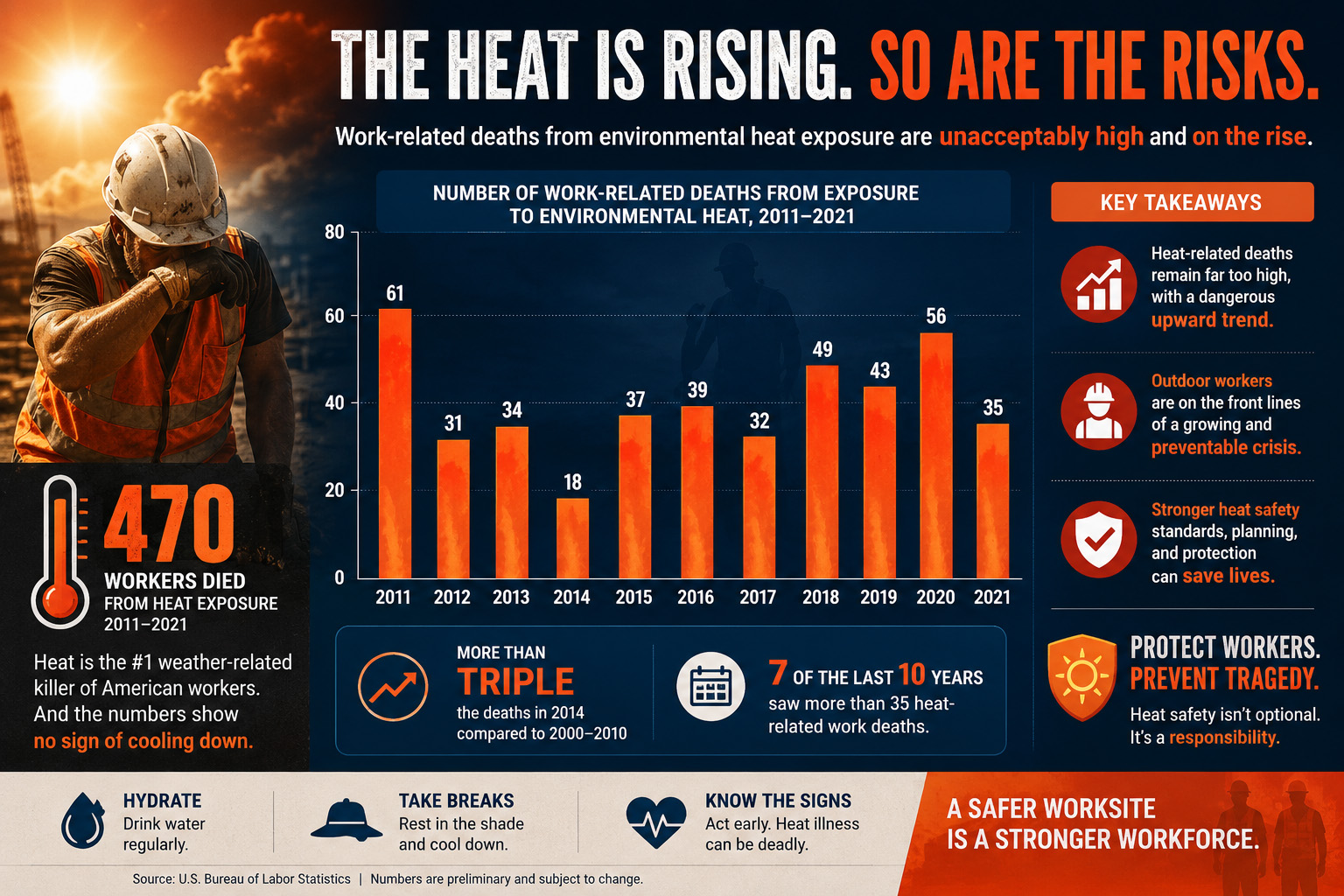
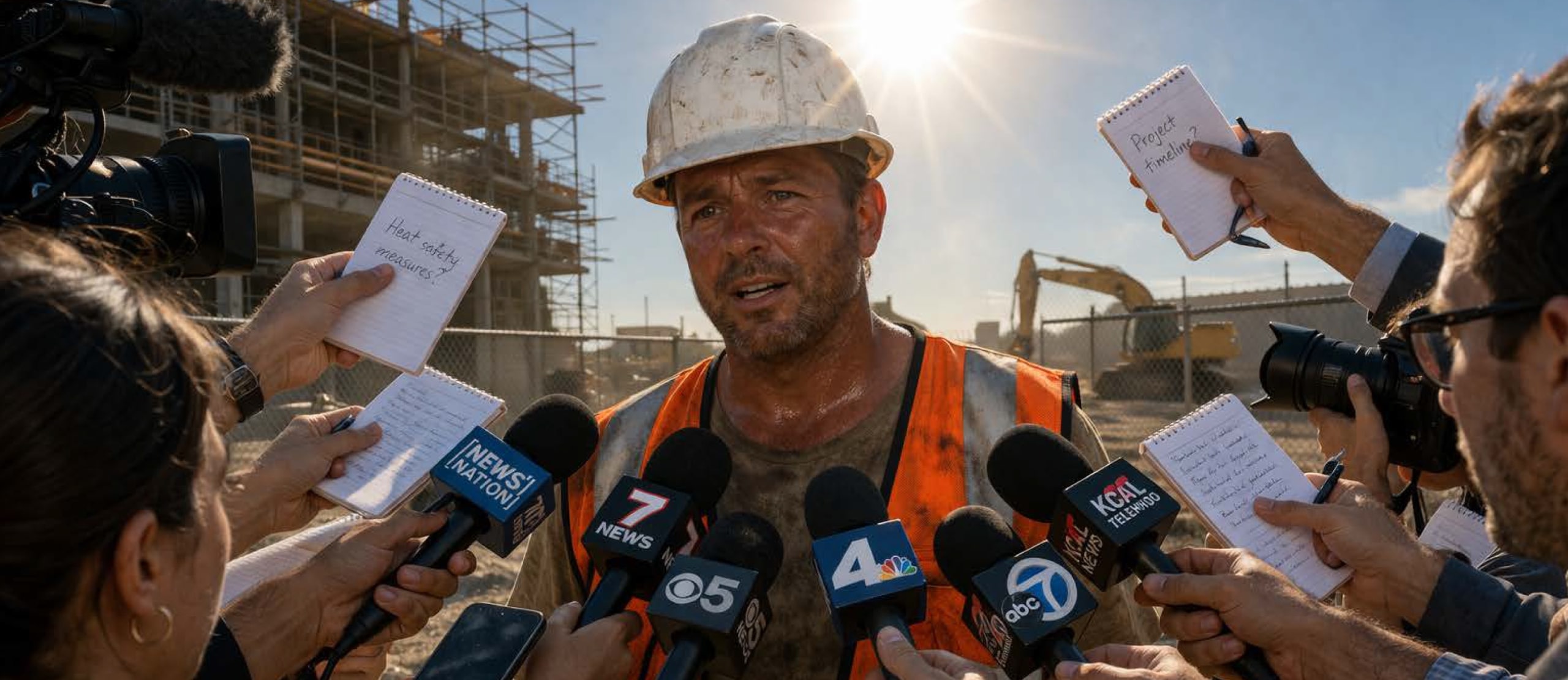
Heat-related worker deaths by the numbers: BLS fatality counts, the underreporting gap, industry and state rankings, and the engineering controls that actually move the line.
OSHA's three pillars of heat illness prevention — water, rest, shade — are the floor, not the ceiling. The four elements most plans miss, and how to build a HIPP that prevents incidents instead of just satisfying inspection.
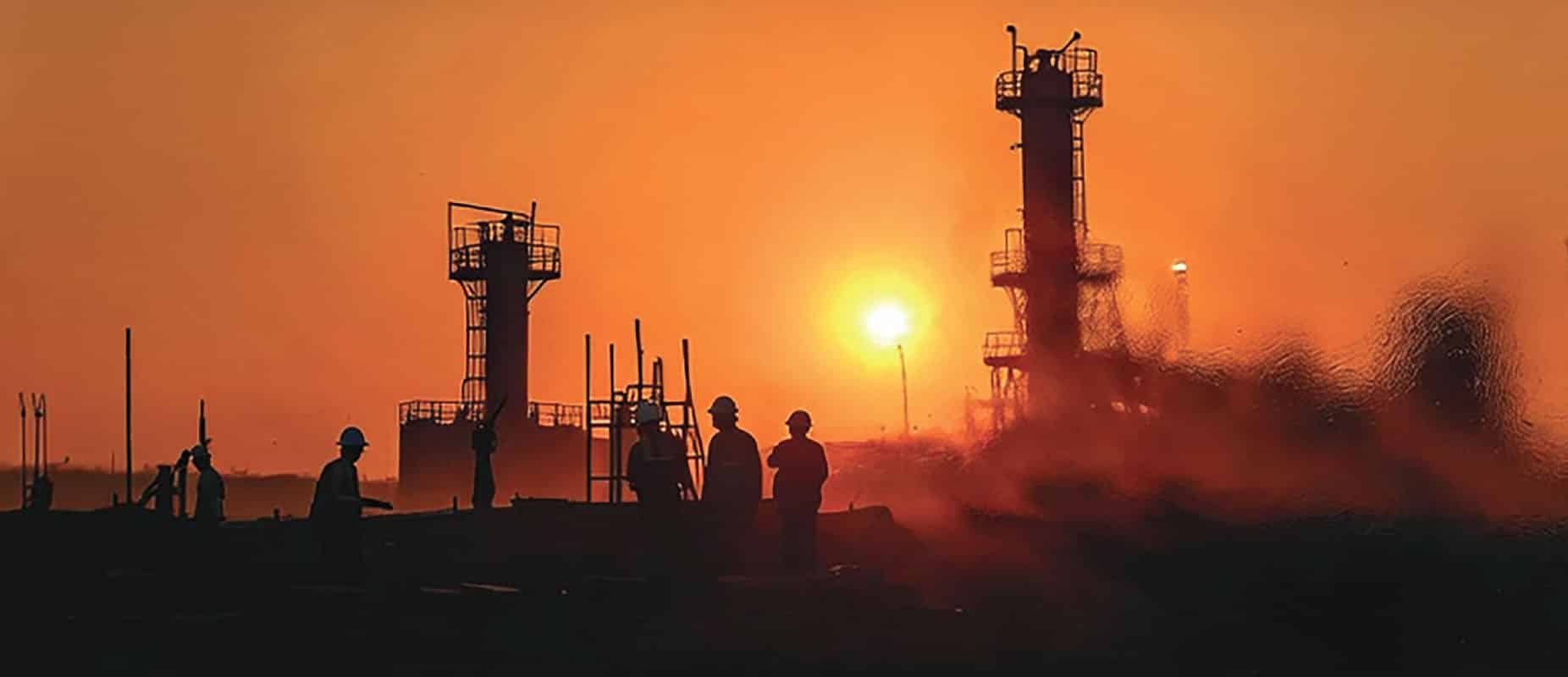
Explore heat stress solutions for oil & gas workers: FRC thermal burden, WBGT monitoring, work-rest schedules, and mobile cooling trailers for well sites and refineries.
Learn how to cool construction sites and protect workers from heat stress. Complete guide to shading, hydration, OSHA regs, and cooling solutions like cool-down trailers.
Explore the key differences between evaporative and non-evaporative cooling for workers. Learn why humidity matters, which system wins in hot climates, and how to choose the right cooling solution for your crew.
15 answers to workplace heat safety questions: OSHA requirements, heat illness signs, hydration, WBGT, cool-down solutions, and more. Expert guidance inside.
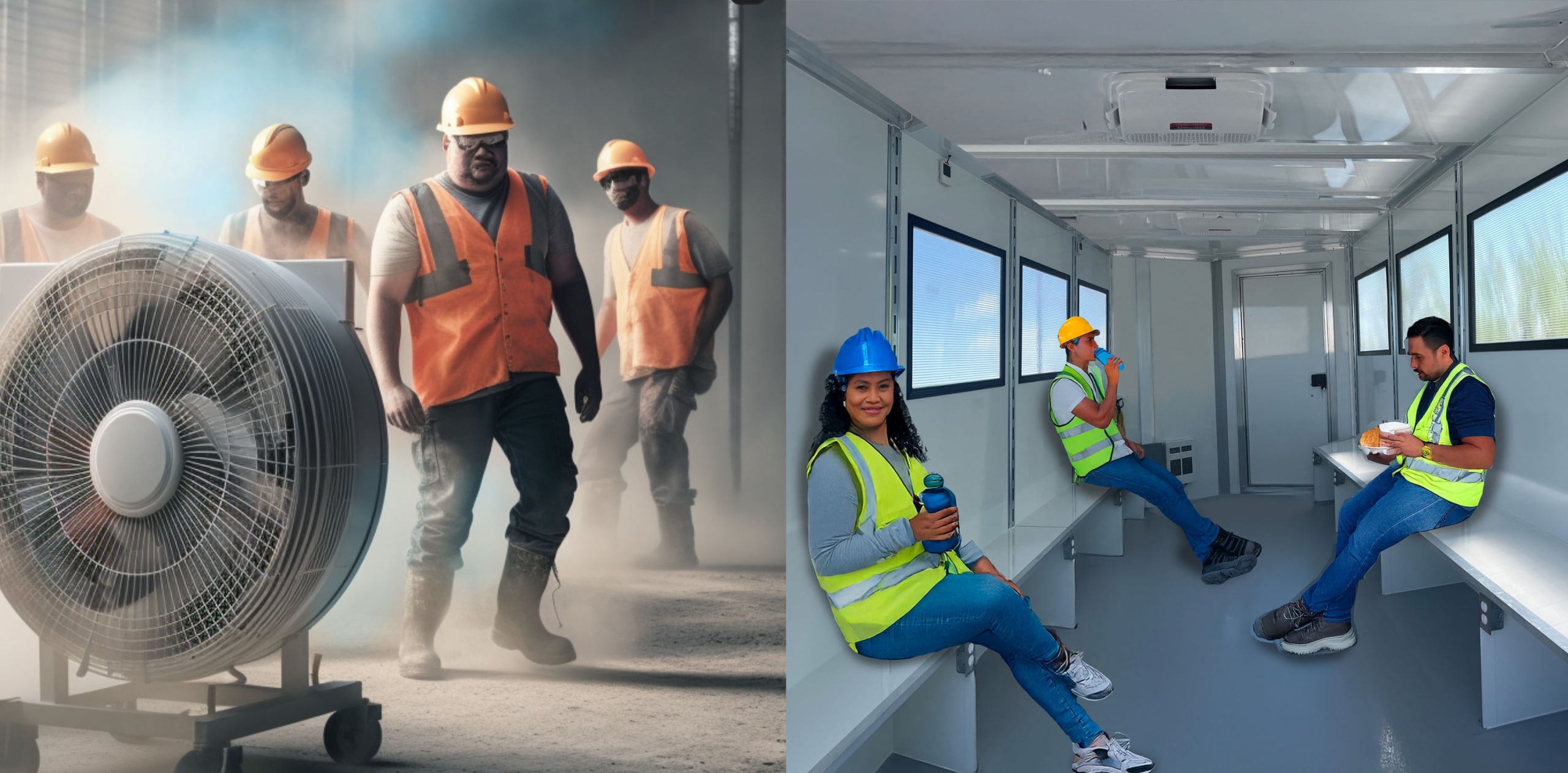
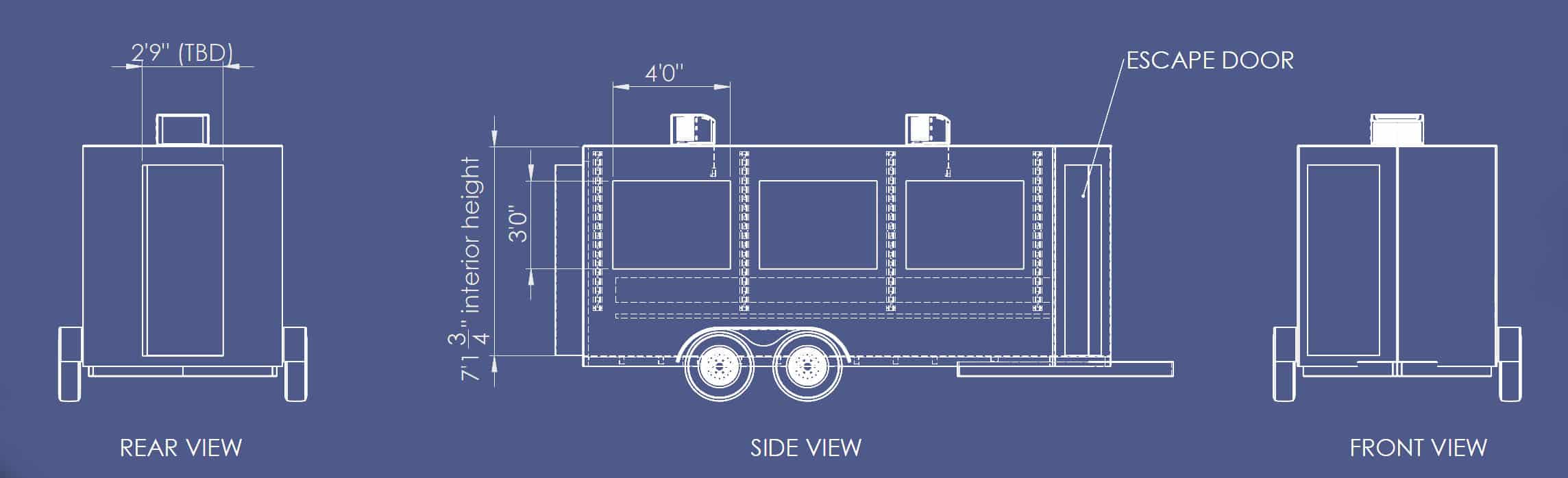
Learn what cool down trailers are, how they work, and why construction and outdoor industries need them for OSHA compliance and worker safety.
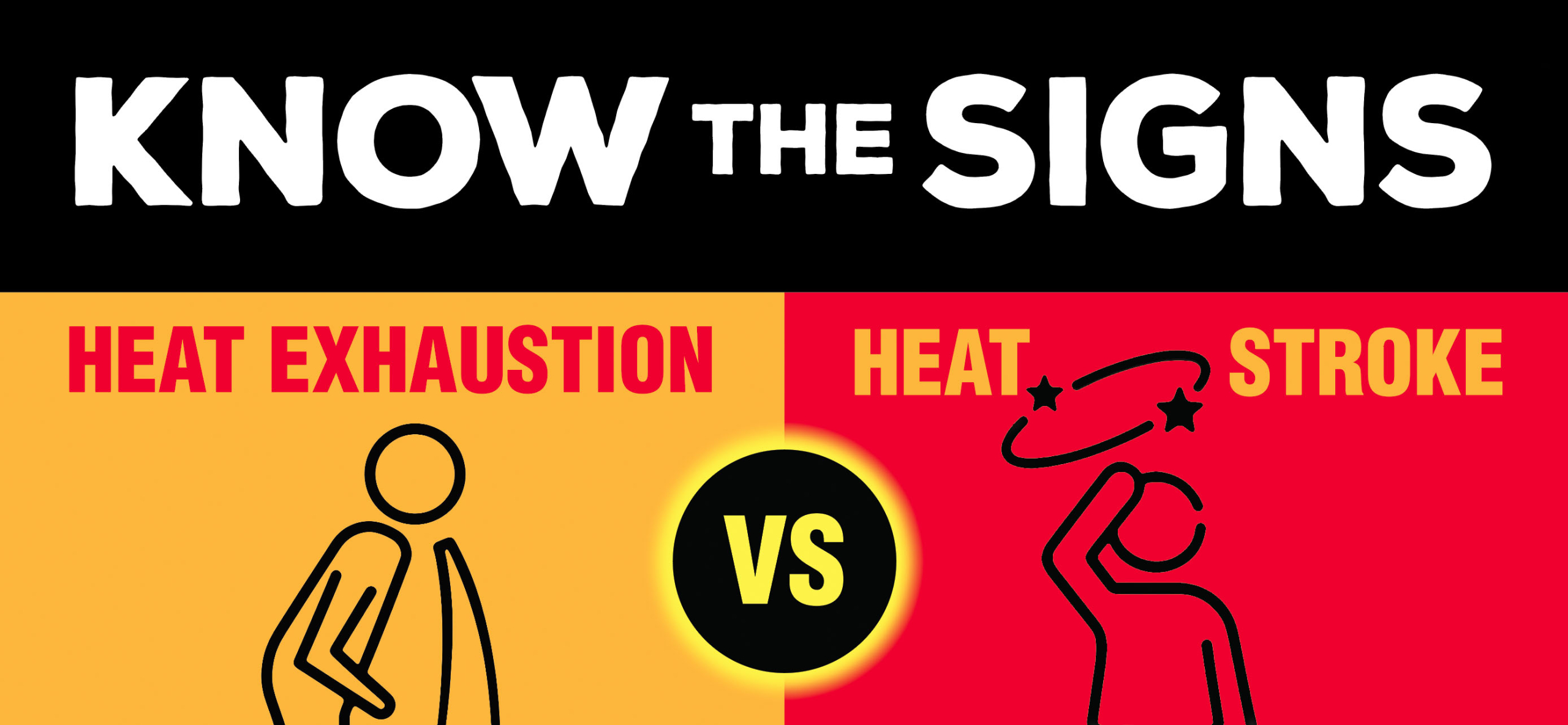
Heat Stress vs. Heat Exhaustion vs. Heat Stroke: Know the Difference Medical and Occupational Health Disclaimer: This article provides general occupational health information based on [...]
Heat Acclimatization for Workers: The Science-Backed Protocol Medical Disclaimer: This article is intended for occupational safety professionals and employers and does not constitute medical advice. [...]